Workflow Automations Streamline Expense Categorization in Multi-Merchant Digital Wallet Environments
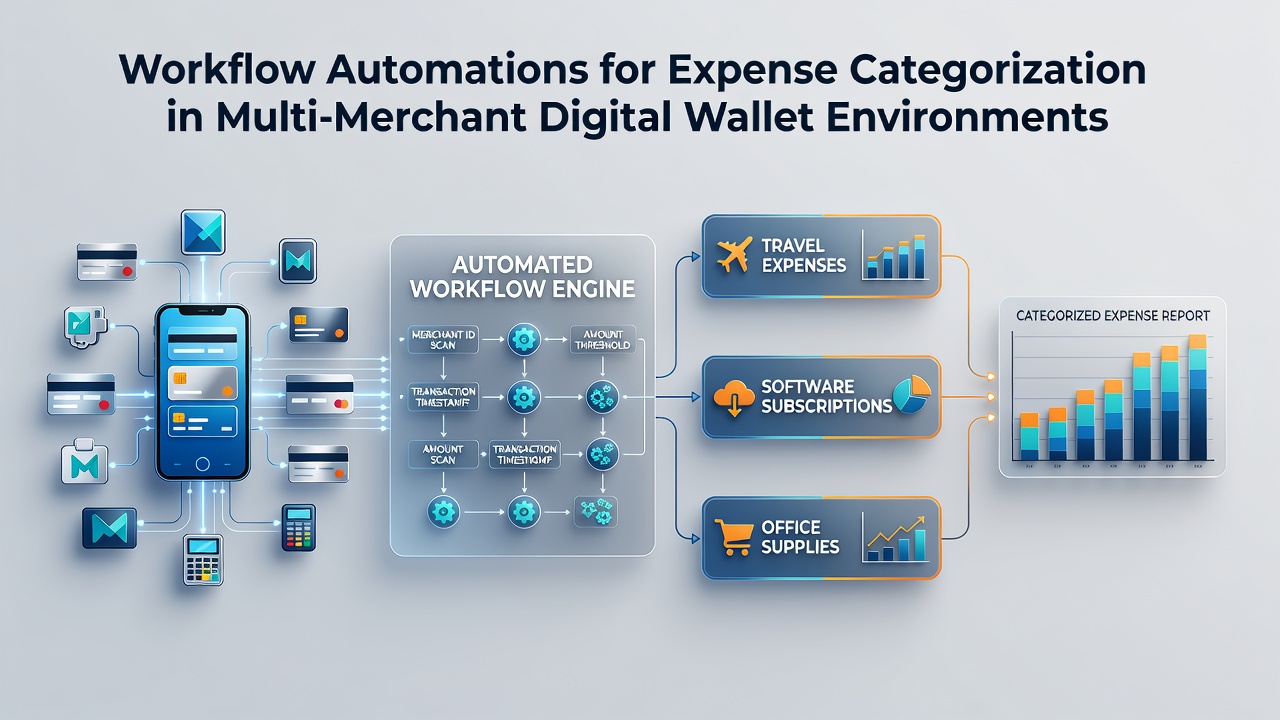
Multi-merchant digital wallets enable users to complete transactions across numerous sellers within a unified interface, and workflow automations have become central to categorizing those expenses accurately while merchants handle settlements in real time. These systems pull transaction metadata such as merchant identifiers, item descriptions, timestamps, and location data to assign categories without manual intervention. Observers note that platforms integrate rule engines alongside machine learning models to process high volumes of entries each day, and data from industry reports shows adoption rates climbing steadily through 2025 into June 2026.
Core Components of Automated Categorization Workflows
Rule-based engines form the foundation by matching known merchant codes to predefined expense buckets, while machine learning layers refine those matches when new merchants appear or spending patterns shift. A transaction from a grocery chain receives an immediate food category tag, yet one from a mixed marketplace requires additional signals like product SKUs before final assignment. Researchers at several universities have documented how these layered approaches reduce misclassification rates by up to 40 percent compared with manual methods alone.
Integration points connect wallet ledgers directly to accounting platforms so that categorized entries flow into ledgers, tax reports, and reimbursement systems without rekeying. Application programming interfaces handle the handoff, and synchronization occurs at scheduled intervals or immediately after each settlement batch. Experts have observed that such connections prove especially useful in environments where independent sellers operate under one wallet umbrella yet maintain separate tax identifiers.
Handling Complexity Across Diverse Merchant Types
Multi-merchant wallets often host everything from single-product vendors to large retailers, which creates varied categorization needs within the same user account. Automation workflows address this by layering contextual data: geographic location tags help distinguish business travel from personal dining, and time-of-day patterns flag potential entertainment expenses versus routine purchases. When a single transaction spans multiple merchants, split-settlement protocols trigger sub-categorization that allocates portions to the correct buckets before the entry reaches the ledger.
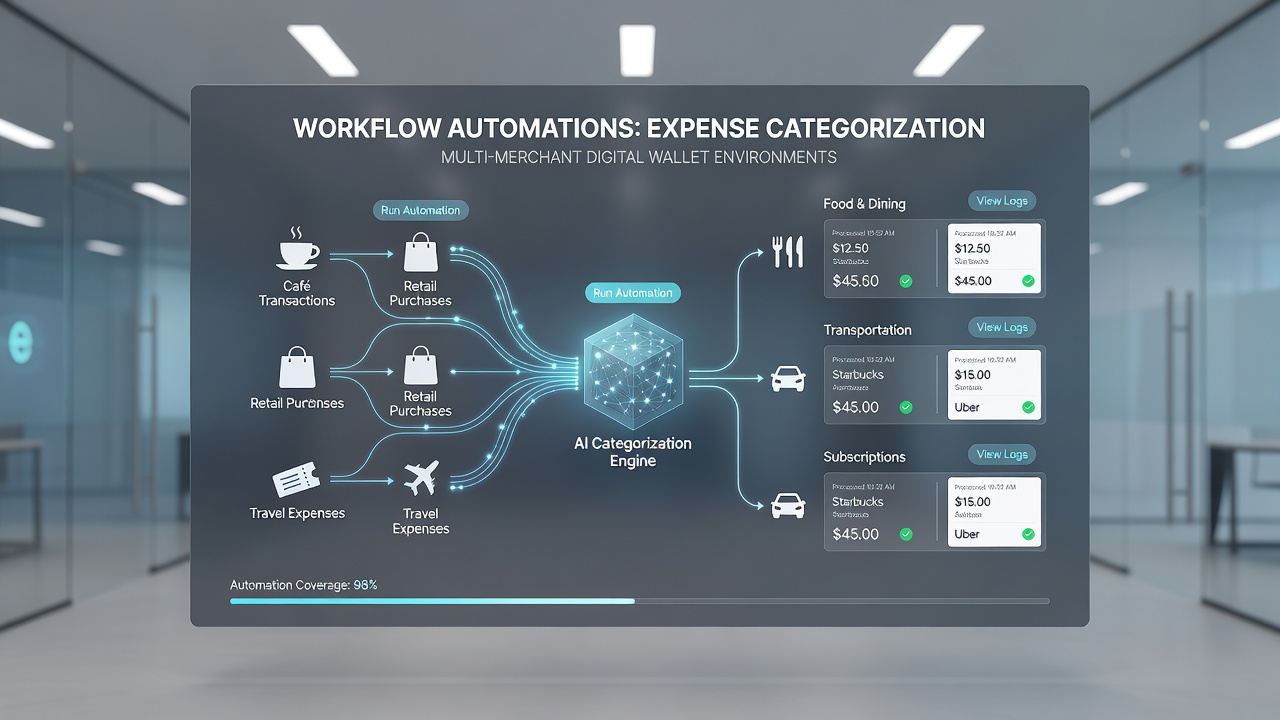
Edge cases still require oversight, particularly when merchants update their profiles or when regulatory changes affect reporting categories. Workflow systems flag low-confidence assignments for review queues, and those queues route to finance teams through ticketing tools that preserve audit trails. Figures from payment processor analyses indicate that human review now touches fewer than 5 percent of entries in mature deployments.
Regulatory Compliance and Data Standards
Compliance requirements differ by region, yet automated workflows embed checks that align with standards set by bodies such as the European Central Bank for eurozone transactions and the Federal Reserve for dollar-based activity. Categorization rules update automatically when tax codes change, and audit logs capture every decision point so examiners can trace how an expense reached its assigned category. Studies published by academic institutions have examined how these embedded controls lower the risk of reporting discrepancies during cross-border activity.
Security protocols encrypt metadata during transfer between wallet providers and accounting endpoints, and role-based access limits who can adjust categorization thresholds. Organizations maintain separate environments for testing new merchant rules before they enter production flows, which prevents unintended category shifts that could affect financial statements.
Implementation Patterns Observed in Practice
Platform operators typically begin with a pilot covering a single merchant vertical before expanding rules across the full catalog. One study revealed that phased rollouts allow teams to measure accuracy gains at each stage while adjusting model weights based on real transaction samples. Those who have deployed these systems report that initial setup focuses on mapping the top 80 percent of merchant volume, after which remaining edge cases receive targeted attention.
Monitoring dashboards display category distribution trends, accuracy scores, and exception volumes so operators can spot drift early. Alerts trigger when a merchant’s classification behavior deviates from historical norms, prompting quick review of the underlying data feed. This ongoing oversight keeps categorization aligned with both merchant updates and evolving user spending habits.
Conclusion
Workflow automations now sit at the center of expense management for multi-merchant digital wallets, connecting raw transaction data to structured financial records through coordinated rule sets and learning models. As volumes continue to rise, these systems maintain categorization consistency while supporting compliance across jurisdictions. Continued refinement of integration points and model training will determine how efficiently platforms handle the expanding range of merchant types and transaction patterns that define the current environment.