Vendor Payment Routing Mechanisms and Their Influence on Operational Efficiency in Platform-Based Economies
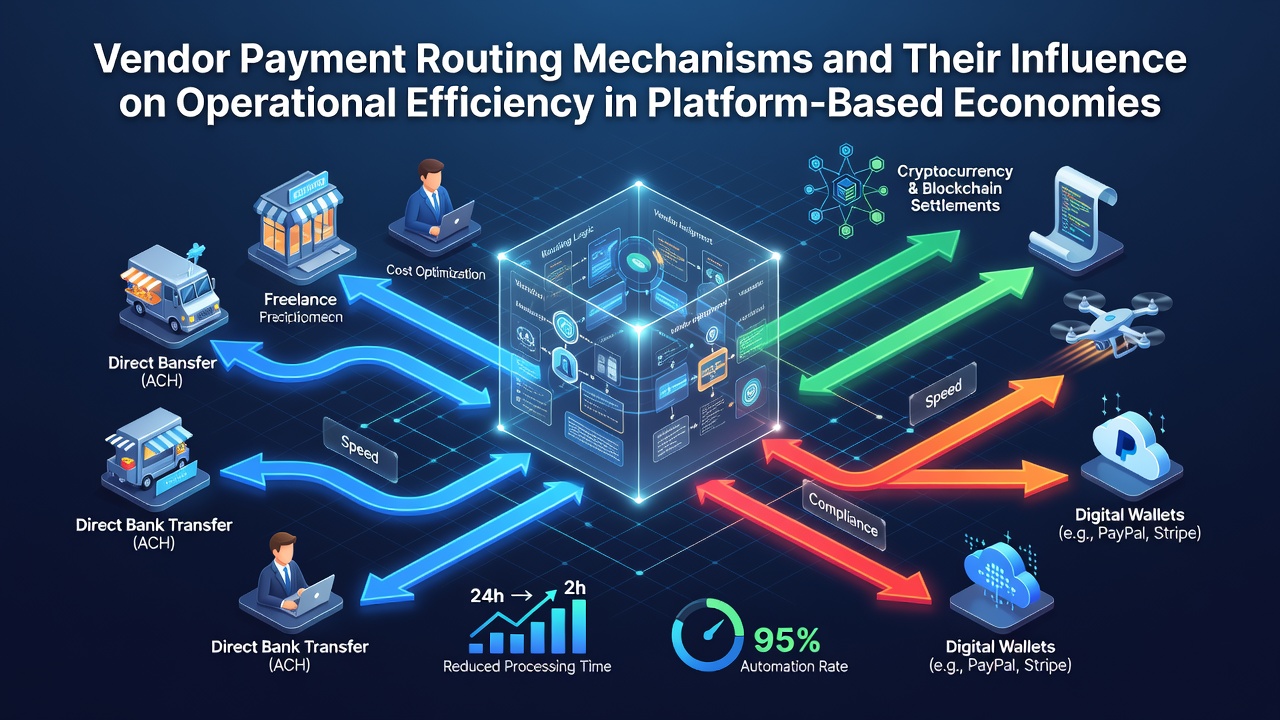
Platform-based economies rely on systems that direct funds from buyers to multiple vendors in coordinated sequences, and these routing mechanisms determine how quickly payments reach sellers while maintaining compliance across jurisdictions. Observers note that routing protocols often incorporate rules based on contract terms, fee structures, and regulatory requirements, allowing platforms to allocate portions of a single transaction to service providers, suppliers, and platform operators simultaneously.
Core Components of Payment Routing in Platforms
Routing systems typically operate through application programming interfaces that connect merchant accounts with acquiring banks and settlement networks, and data shows these interfaces process instructions in milliseconds to split payments according to predefined percentages or fixed amounts. Researchers at academic institutions have documented cases where dynamic routing adjusts paths based on real-time factors such as currency conversion rates or vendor risk profiles, which reduces delays that might otherwise accumulate during high-volume periods like the summer peak in 2026.
Platforms integrate vendor identifiers into transaction ledgers so each participant receives its share without manual intervention, while the mechanisms also handle reversals and refunds by reversing the original routing sequence. Figures from industry reports reveal that automated reconciliation features within these systems cut down on discrepancies that historically required staff hours to resolve across diverse merchant categories.
Operational Efficiency Gains Through Structured Routing
Efficiency improvements appear when routing rules align with operational workflows, and evidence suggests platforms achieve faster settlement cycles by prioritizing direct bank transfers over intermediary holds. Those who manage platform operations often find that standardized routing templates minimize errors during onboarding of new vendors, which supports scaling without proportional increases in administrative overhead.
Take one marketplace operator that implemented tiered routing based on vendor performance metrics, where high-volume sellers received expedited paths; this approach led to measurable reductions in float time between transaction authorization and final credit. Data indicates such configurations also support compliance with tax reporting mandates by embedding jurisdiction-specific identifiers into each routed segment.
Integration with Broader Platform Ecosystems
Payment routing does not function in isolation but connects with inventory management, customer relationship tools, and analytics dashboards, and this interconnected structure allows real-time visibility into cash flows for all parties involved. According to reports from the European Central Bank, integrated routing frameworks in digital marketplaces have supported transaction volumes exceeding previous benchmarks during periods of economic expansion.
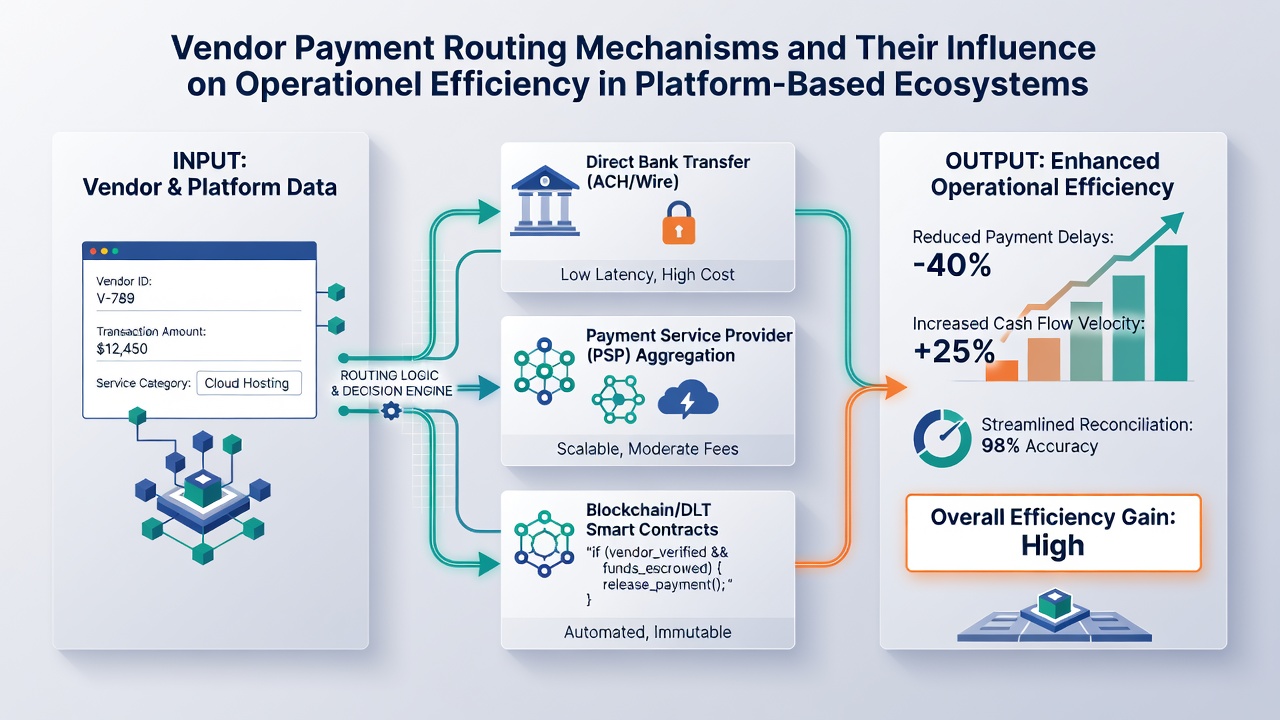
Routing mechanisms further adapt to seasonal fluctuations by applying conditional logic that shifts funds toward vendors with verified compliance status, and studies from research institutions confirm these adaptations maintain continuity in service delivery without disrupting end-user experiences. Observers note that platforms in regions such as Canada and Australia have adopted similar frameworks to handle cross-border vendor networks efficiently.
Adaptations Observed in Multi-Vendor Environments
Multi-vendor platforms encounter unique demands when routing involves independent contractors alongside corporate entities, and routing engines address this by applying distinct validation checks for each category. Evidence from settlement data shows reduced processing failures when systems incorporate fallback routes that activate if primary banking partners experience temporary outages.
Those managing these environments report smoother operations when routing protocols include audit trails that document every allocation decision, which supports both internal reviews and external audits. The Federal Reserve has published analyses indicating that such transparency contributes to overall stability in payment networks serving platform economies.
Conclusion
Vendor payment routing mechanisms continue to shape operational efficiency by streamlining fund distribution and supporting compliance across expanding platform networks. As platform economies grow, the documented effects of these systems on settlement speed and error reduction remain central to sustained performance metrics observed through mid-2026.