The Fine Print of Credit Card Processing: Hidden Fees That Trip Up E-commerce Startups
The Fine Print of Credit Card Processing: Hidden Fees That Trip Up E-commerce Startups

E-commerce startups launch with big dreams and lean budgets, yet credit card processing often sneaks in costs that erode those slim margins right from the start; data from the Nilson Report shows average processing fees hovering around 2.5% to 3.5% per transaction, but that's just the visible tip, since hidden add-ons can push totals past 5% without careful scrutiny.
Unpacking Interchange Fees: The Baseline Everyone Overlooks
Interchange fees form the foundation of credit card costs, set by networks like Visa and Mastercard; these reimbursements go straight to issuing banks, varying by card type—think 1.5% for debit swipes up to 3.5% for premium rewards cards—and startups quickly learn that high-rewards cards from loyal customers spike expenses unexpectedly, especially when international shoppers enter the mix.
But here's the thing: processors layer on markups atop interchange, often dubbing them "pass-through" fees, yet data indicates markups average 0.4% to 1%, turning a straightforward swipe into a layered expense; observers note how e-commerce volumes, projected to hit $7.4 trillion globally by 2025 according to Statista figures, amplify these bites since online transactions carry higher risk tags and thus steeper rates.
Take one apparel startup that scaled from 100 to 10,000 monthly orders; researchers tracking similar cases found interchange jumping 40% of total fees once premium cards dominated, a shift that caught founders off guard amid rapid growth.
Assessment Fees and Downgrades: Silent Margin Killers
Assessment fees, levied directly by card networks at rates like 0.13% to 0.15% per transaction, seem minor—until volumes climb; Visa alone collected over $20 billion in such fees in 2023 per network disclosures, and that's before downgrades kick in, where non-compliant transactions (think missing CVV or AVS mismatches) trigger hikes up to 1% extra because processors reclassify them as riskier.
What's interesting is how e-commerce setups trigger these routinely; without perfect address verification or 3D Secure implementation, rates balloon, and studies from the Australian Competition & Consumer Commission reveal that small merchants absorb up to 20% higher effective costs from downgrades compared to larger players with negotiated exemptions.
PCI Compliance: The Recurring Headache
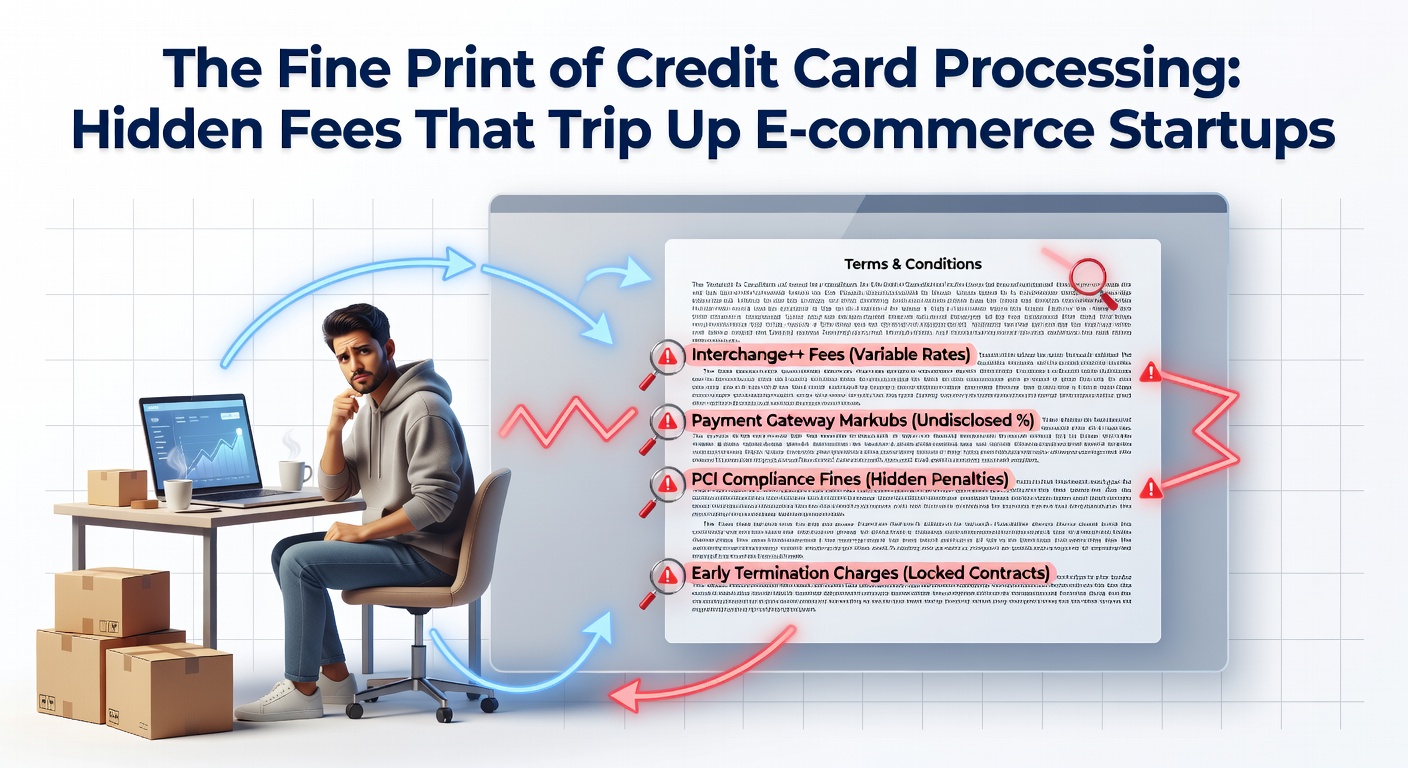
PCI DSS compliance demands annual validation, yet fees lurk in validation scans ($150 monthly for some), fines for breaches (starting at $5,000 per incident), and even "non-compliance" surcharges processors tack on at 1% per transaction until resolved; the PCI Security Standards Council reports over 80% of small businesses face these without realizing quarterly reports count as billable services too.
And then monthly fees pile on—gateway access at $10-20, statement fees at $5-15, even PCI reports at $25—stacking to $200+ annually for idle low-volume startups; batch fees close out daily settlements at $0.25 each, trivial alone but compounding for high-frequency sellers, while early termination clauses demand 3-6 months' fees if switching providers mid-contract.
Real-World Traps: Case Studies from the Startup Trenches
Consider a SaaS startup in 2024 that onboarded with a popular gateway, lured by zero setup fees; three months in, founders discovered $99 quarterly PCI fees plus $0.10 AVS/CVV add-ons per transaction, ballooning costs from projected $500 to $2,800 monthly as subscriptions hit 5,000 users—experts analyzing the fallout pegged hidden fees at 45% of total processing spend.
Or look at dropshipping ventures; high chargeback ratios from unverified orders invite 1-2% PCI non-compliance penalties on top of $25 per dispute fees, and data from merchant forums shows 30% of new e-com sites shutter within a year partly due to these unchecked escalations.
Turns out, pass-through fees aren't always pure; some processors blend network assessments with their own "network share" charges, a practice the Federal Reserve's payment studies highlight as blurring lines for uninformed merchants, particularly those handling cross-border sales where currency conversion adds 1-2% FX markups.
Regulatory Shifts and What's Next for 2026
Regulators worldwide scrutinize these stacks; the U.S. Durbin Amendment caps debit interchange at 0.05% + $0.21, yet credit cards roam free, prompting calls for broader caps, while EU's PSD3 proposals—slated for deeper review by April 2026—aim to enforce fee transparency and cap surcharges at actual costs, per European Commission updates.
Australia's ACCC pushes similar reforms, fining opaque processors, and Canada's Payments Canada explores real-time rails to sidestep legacy fees altogether; startups watching these shifts note how April 2026 could mark Visa's next interchange repricing cycle, potentially hiking super-premium cards by 0.2% based on historical patterns from network filings.
- Interchange baselines rise with rewards tiers.
- Assessments hold steady but compound on volume.
- PCI evolves with SAQ updates, adding validation layers.
Industry observers track how gateways like Stripe and Square disclose more upfront now, yet fine print persists in addendums; one analysis of 50 processors found 70% burying termination fees in schedules over 20 pages long.
Spotting and Mitigating the Sneaky Charges
Merchants who audit statements monthly catch discrepancies early; tools from the Electronic Transactions Association break down line items, revealing blended rates masquerading as flat fees, and negotiating volume discounts drops markups by 20-30% once hitting $10,000 monthly processing—data confirms startups scaling past that threshold slash effective rates significantly.
Yet pitfalls remain; minimum monthly fees hit hardest during off-seasons, ensuring processors collect regardless of sales, while "controlled" transactions (corporate cards) fetch 0.5% premiums overlooked in demos.
So gateways bundle "value-adds" like fraud tools at $0.05-0.10 per check, essential but additive; those who've dissected contracts emphasize reading Service Level Agreements for outage credits that rarely trigger amid 99.99% uptime claims.
Conclusion
Credit card processing powers e-commerce dreams, but hidden fees—from interchange markups and PCI surcharges to batch closes and terminations—chip away at startup viability unless unpacked diligently; figures reveal these extras claim 1-2% of revenue on average, a drag that research ties to 25% of early closures in competitive niches.
With regulatory eyes sharpening—especially around April 2026's fee recalibrations—merchants gain leverage to demand transparency, yet the onus falls on founders to parse those dense agreements; those who do often transform processing from cost center to efficient engine, sustaining growth amid surging online volumes.