Payment Processor Adaptations for Donation-Based Platforms Handling Irregular Nonprofit Revenue Streams
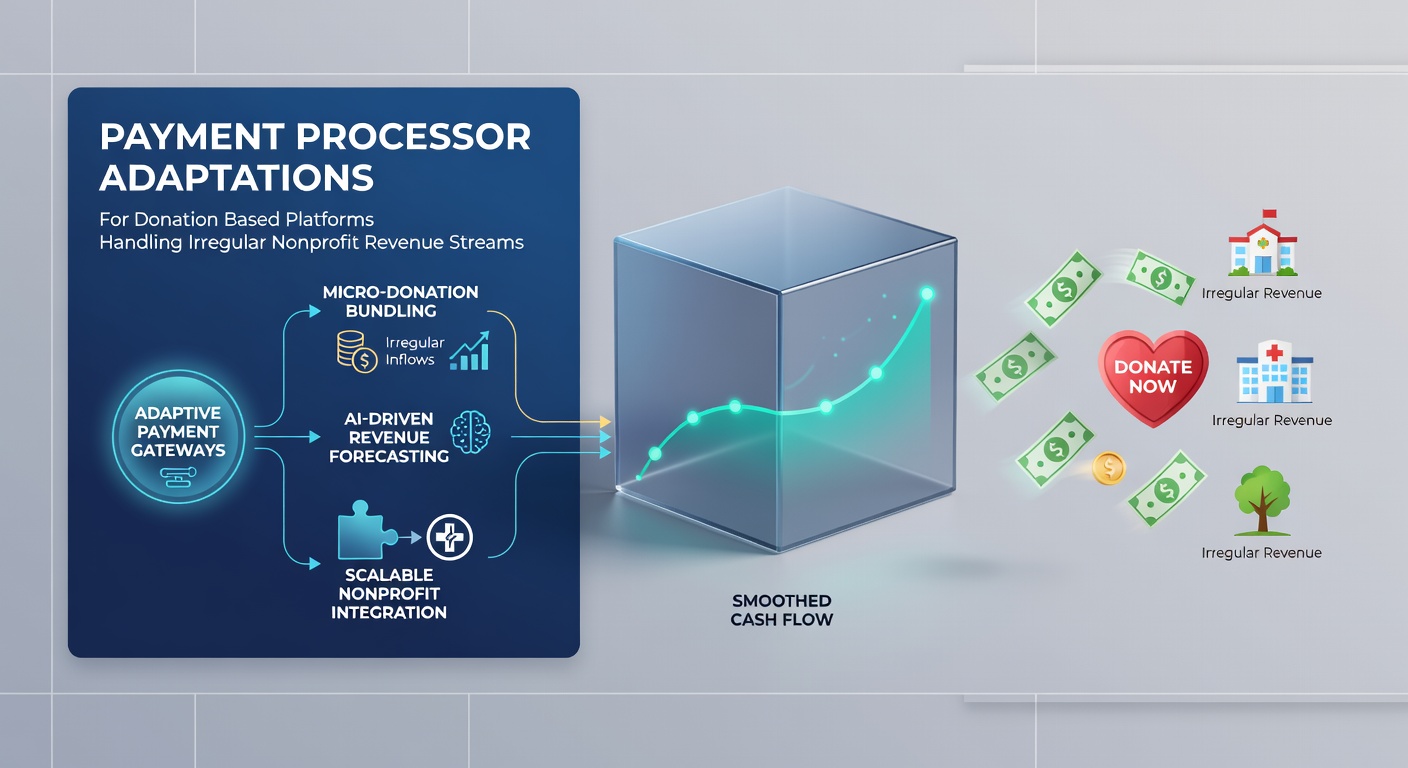
Donation-based platforms supporting nonprofits face unique demands because revenue arrives in unpredictable bursts rather than steady cycles, and payment processors have responded by building flexible settlement rules that accommodate sudden spikes without locking funds for extended periods. These systems adjust authorization holds based on historical donation patterns while maintaining compliance with varying regional banking standards. Researchers at institutions tracking charitable giving note that nonprofits often receive the bulk of annual contributions during specific campaigns, which forces processors to recalibrate risk models on short notice.
Core Challenges in Irregular Revenue Handling
Irregular cash flows create reconciliation issues because standard merchant accounts assume consistent transaction volumes, yet donation platforms see clusters of activity followed by quiet stretches. Processors address this by implementing dynamic fee structures that scale with volume rather than applying flat monthly minimums, and data from payment networks shows these adjustments reduce account terminations among nonprofit clients. Observers note that platforms must also manage chargeback rates that fluctuate with donor demographics, since one-time gifts carry different dispute profiles than recurring commitments.
Technical Adjustments in Settlement Timing
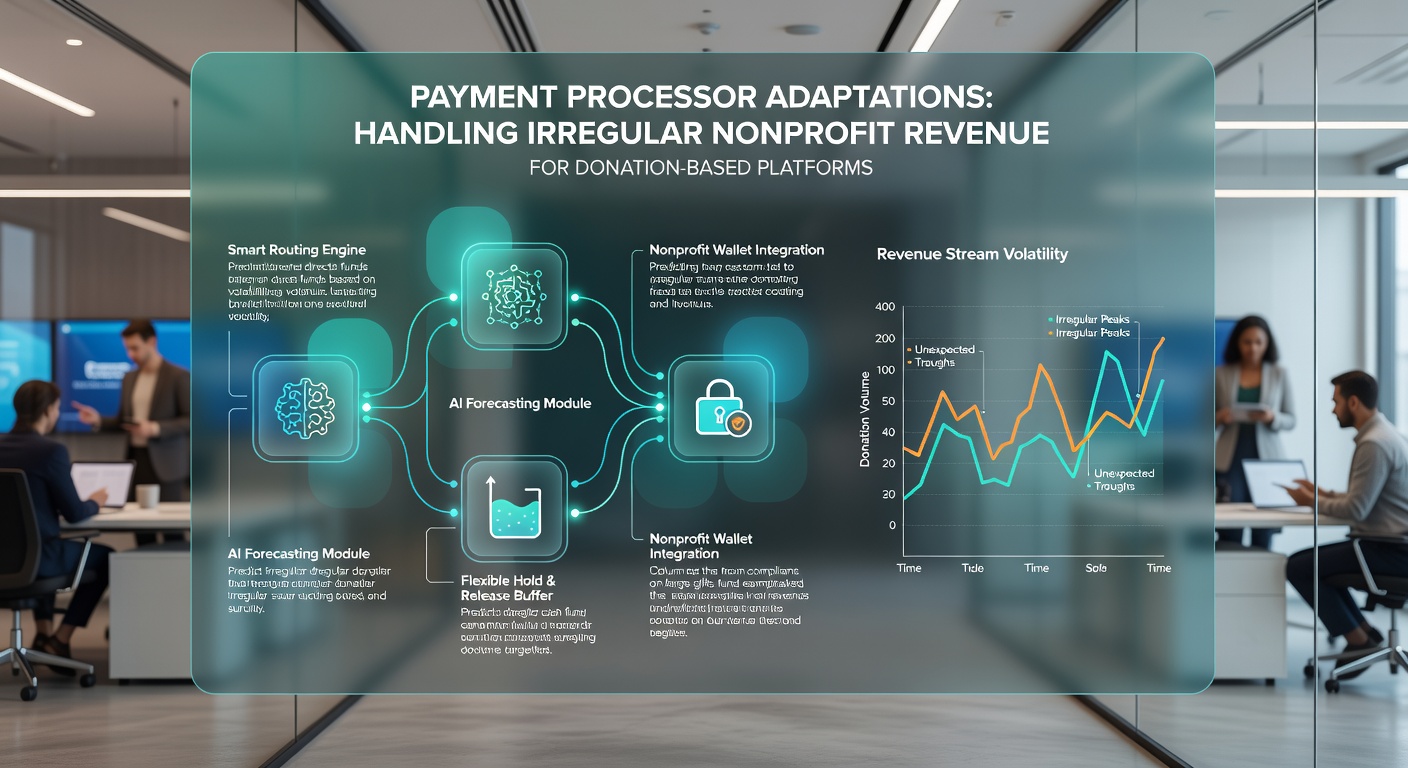
Many processors now offer batch settlement options that release funds within twenty-four hours during high-volume periods while extending review windows during lulls to catch anomalies. This approach relies on machine learning models trained on nonprofit transaction histories, allowing the system to flag only transactions that deviate from established patterns for a given organization. Studies from payment industry groups indicate that such targeted reviews cut false positives by up to thirty percent compared with uniform monitoring across all merchant types.
Integration with Nonprofit-Specific Compliance Requirements
Regulatory frameworks in multiple jurisdictions require clear separation of donor funds from operating accounts, which has prompted processors to develop segregated wallet features that automatically route designated donations into restricted accounts. In the United States, IRS guidelines on charitable contributions require detailed record-keeping, and processors have added automated receipt generation that meets these standards without manual intervention from platform staff. European platforms meanwhile align with the Payment Services Directive updates that emphasize transparency in cross-border transfers common among international aid organizations.
One nonprofit technology provider documented how switching to a processor with built-in tax reporting reduced administrative hours by nearly half during peak fundraising quarters. Platforms handling international donations must also navigate currency conversion rules that differ by country, and processors have introduced multi-currency ledgers that hold funds in original denominations until the nonprofit initiates a transfer.
Fee Structures Tailored to Variable Income
Traditional interchange-plus pricing can become costly when transaction counts drop, so processors serving donation platforms frequently shift to revenue-share models that tie fees directly to collected amounts rather than per-transaction counts. This structure aligns costs with actual inflows, and figures from industry reports reveal nonprofits using these plans maintain higher net retention during slow months. Some providers further cap monthly fees during periods below a certain threshold, which prevents accounts from accruing charges when donation activity pauses.
Security Adaptations for Episodic Use
Because donation platforms may go weeks without processing payments, processors have introduced dormant account protocols that maintain PCI compliance through automated security scans rather than requiring constant transaction activity. These protocols include token refresh cycles that keep stored donor credentials current without prompting unnecessary re-authorizations. Data indicates that platforms adopting these measures experience fewer account freezes when activity resumes after extended quiet periods.
Emerging Tools and Platform Examples
Payment processors have also added forecasting dashboards that project cash needs based on past campaign performance, helping nonprofits plan disbursements even when revenue timing remains uncertain. In May 2026, several major processors released updated APIs that allow deeper integration with nonprofit accounting software, enabling automatic reconciliation of irregular deposits against donor intent records. Observers tracking these developments point to improved liquidity management among mid-sized organizations that previously relied on manual forecasting methods.
Take the case of a platform serving environmental nonprofits that experienced a sudden influx after a major climate event; the processor automatically adjusted reserve requirements and accelerated settlements to prevent cash shortfalls. Similar patterns appear in disaster relief platforms where donation volumes spike unpredictably, and processors now maintain pre-approved credit lines tied to verified nonprofit status to bridge short gaps between inflows and program needs.
Conclusion
Payment processor adaptations continue to evolve in response to the distinct revenue patterns of donation platforms, with technical and regulatory adjustments working together to support reliable fund movement. Organizations that align their systems with these specialized features gain access to more predictable cash handling despite the inherent variability of charitable contributions. As processors refine their tools further, the focus remains on maintaining security and compliance while accommodating the episodic nature of nonprofit funding cycles.