Integration Strategies Linking Digital Wallet Systems with Inventory Management Tools in Platform Marketplaces
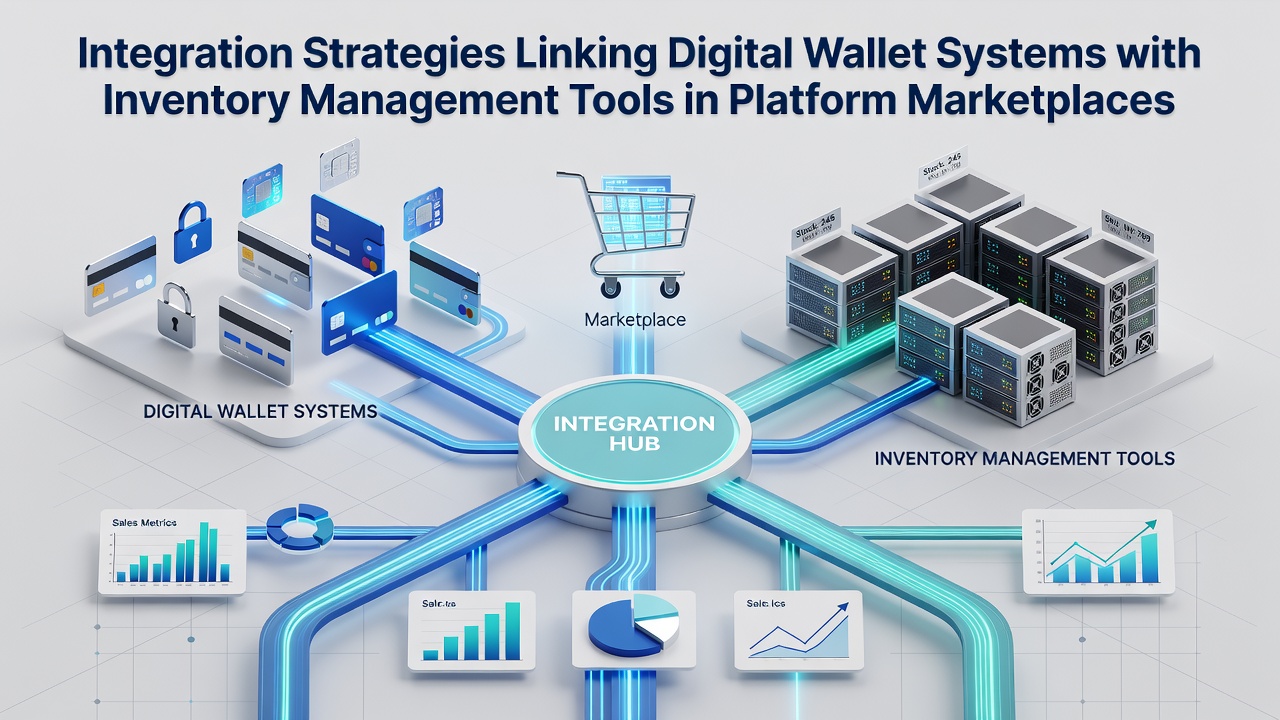 Platform marketplaces have expanded their reliance on digital wallet systems that connect directly to inventory management tools, creating synchronized environments where transaction data updates stock levels automatically. These connections rely on standardized APIs that allow wallets such as those used in major e-commerce sites to transmit payment confirmations to inventory databases in real time, reducing discrepancies that once required manual reconciliation across multiple vendor accounts. Observers note that middleware platforms often serve as the bridge in these setups, translating wallet transaction formats into inventory update commands while handling authentication through OAuth protocols. Data flows typically begin when a buyer completes a purchase via a digital wallet, triggering an immediate stock deduction signal that reaches the marketplace's central inventory ledger without intermediate delays.
Core Technical Approaches
Developers implement event-driven architectures where wallet payment events publish messages to inventory queues, allowing systems to process updates asynchronously yet maintain consistency across distributed servers. Studies from industry reports indicate that such architectures handle peak volumes during seasonal surges by scaling queue processors independently of wallet endpoints.
One common strategy involves embedding inventory checks within the wallet authorization flow itself, so that a purchase attempt fails at the payment stage if stock falls below threshold levels. This prevents overselling while keeping buyers informed through wallet notification systems rather than separate inventory alerts.Data Synchronization Patterns
Real-time synchronization uses webhooks that push changes from digital wallets back to inventory tools whenever balances update or refunds process, whereas batch synchronization aggregates transactions overnight for platforms managing high volumes of low-value sales. Research indicates that hybrid models combining both methods appear frequently in marketplaces serving mixed seller bases, from individual vendors to larger enterprises.
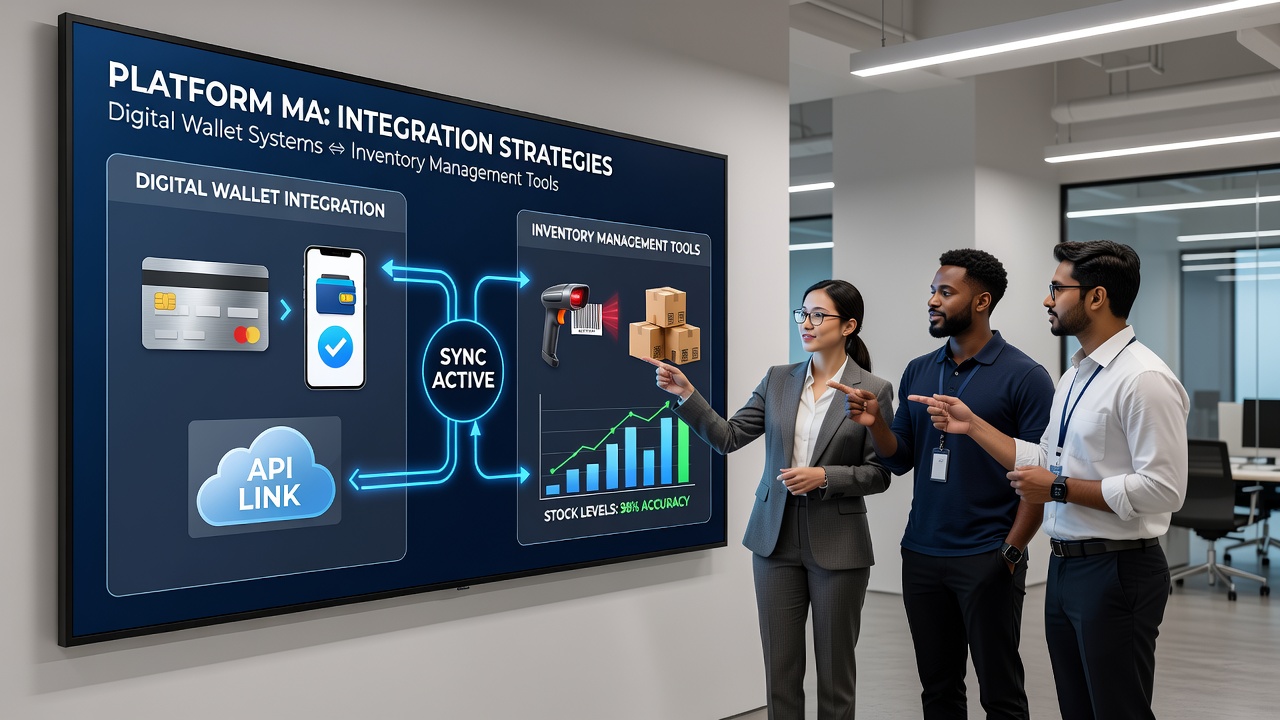 Multi-region platforms adjust these patterns according to local data residency rules, routing wallet and inventory data through regional nodes that comply with requirements in different jurisdictions. As of July 2026, several marketplaces reported expanded use of edge computing nodes to shorten latency between wallet confirmations and inventory reflections in remote warehouses.
Implementation Examples Across Marketplaces
Take one large platform that integrated wallet APIs with its inventory system through a custom connector layer, resulting in automatic reordering triggers when digital wallet sales depleted specific SKUs below preset quantities. Another case involved a mid-sized marketplace linking its wallet settlement reports directly to perpetual inventory tracking, allowing vendors to view combined payment and stock data within a single dashboard interface.
Those who've studied these integrations observe that security layers such as token-based access controls prevent unauthorized inventory alterations while still permitting wallet systems to read necessary stock data for purchase validation. Audit trails capture every wallet-to-inventory transaction, supporting compliance reviews without exposing full financial details.Operational Considerations and Metrics
Figures from recent e-commerce analyses reveal that marketplaces using integrated wallet and inventory systems experience fewer stockouts during flash sales compared to those relying on delayed data transfers. Integration also supports dynamic pricing adjustments when inventory data feeds back into wallet checkout flows, updating available quantities before final payment authorization completes.
Platforms often test these connections through sandbox environments that simulate wallet transactions against live inventory copies, identifying mapping errors before full deployment. Maintenance routines include regular schema alignment checks to accommodate updates from both wallet providers and inventory software vendors.Conclusion
Integration strategies continue to evolve as platform marketplaces adopt newer wallet standards and refine inventory algorithms for greater precision. Observers point to ongoing work on unified data models that could further streamline connections between payment events and stock management across diverse seller ecosystems, supported by documented improvements in operational accuracy where these links already operate.