Integrating Virtual Terminal Networks with Enterprise Planning Tools for Multi-Platform Seasonal Retail Data
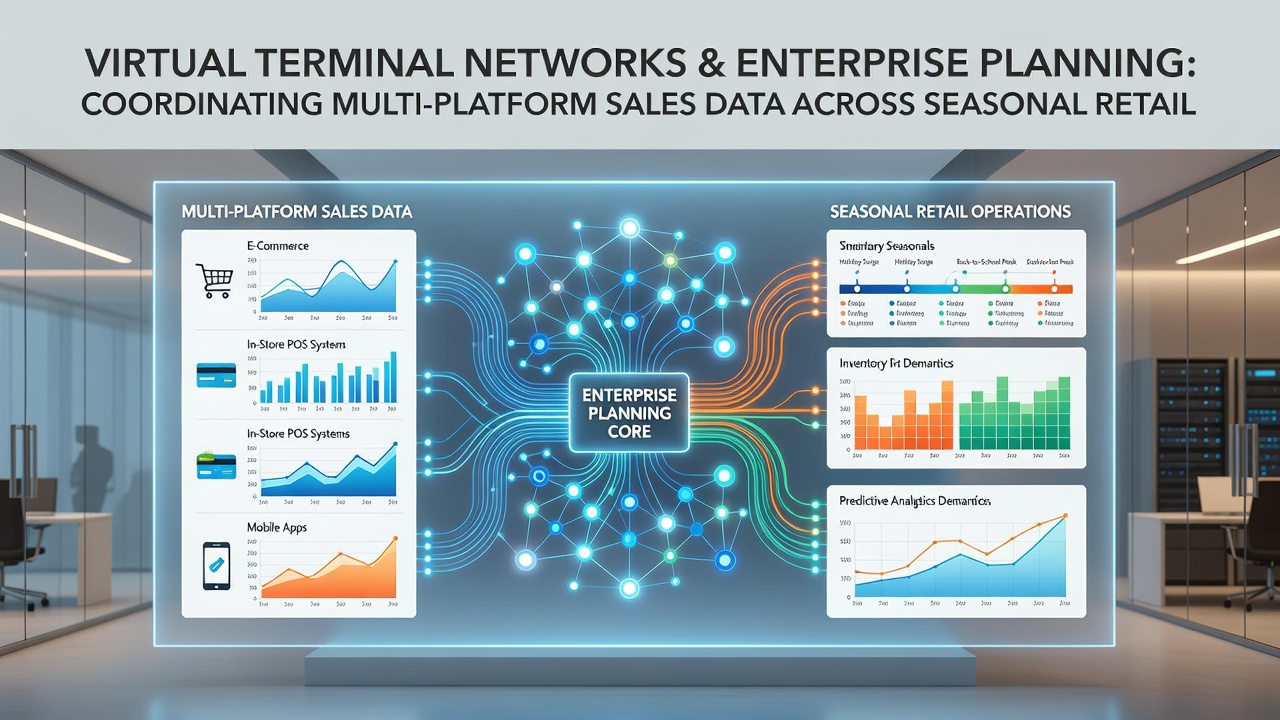
Virtual terminal networks serve as the backbone for processing transactions across diverse retail channels, and these systems link directly to enterprise planning tools through standardized APIs that pull real-time sales figures from point-of-sale devices, e-commerce platforms, and mobile apps into centralized databases. Retail operators use these connections to consolidate data from multiple sources, which allows planning software to generate accurate forecasts and inventory adjustments during peak seasons like summer promotions or holiday rushes that often peak around June 2026 in many markets.
Core Coordination Mechanisms
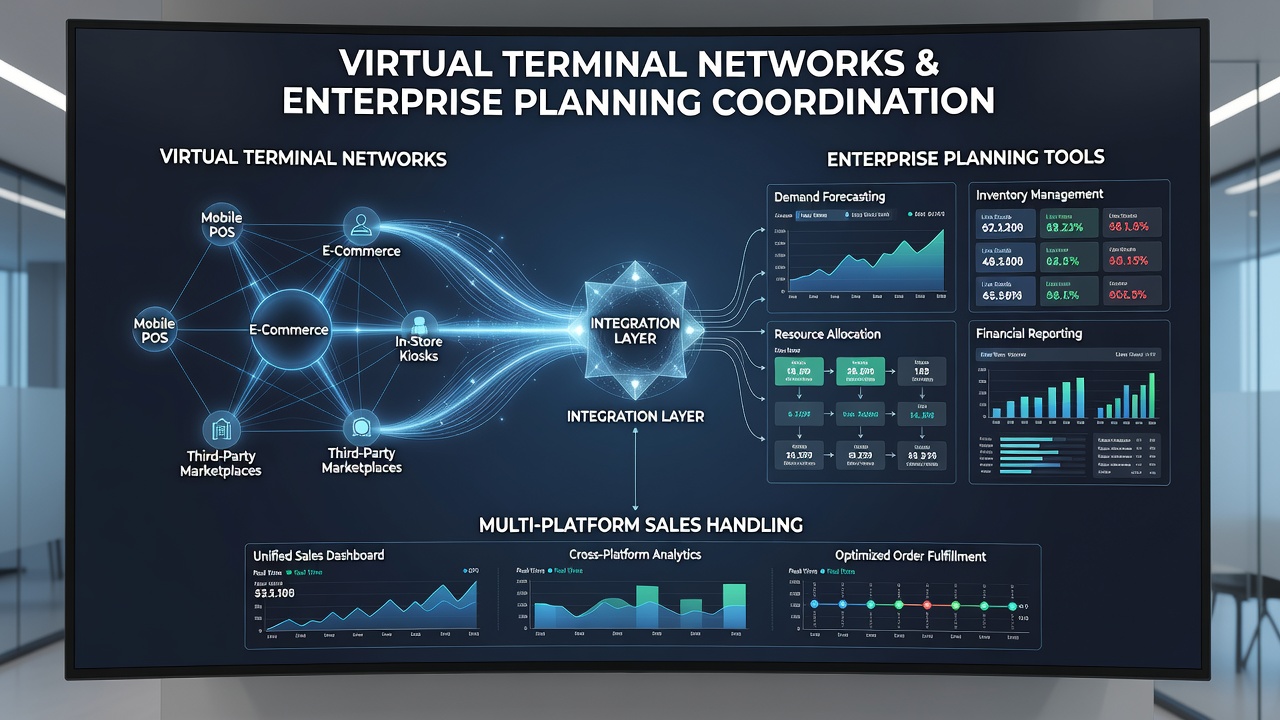
Enterprise planning tools such as ERP platforms receive structured data feeds from virtual terminals via secure protocols that encrypt transaction details before transmission, and this setup ensures that sales volumes from in-store kiosks align with online order data without manual intervention. Observers note that middleware layers handle format conversions when terminals from different providers feed into systems like SAP or Oracle, while batch processing runs every few minutes to update dashboards with metrics on units sold and revenue collected across regions.
Seasonal retail operations introduce variability because demand spikes require rapid scaling of these integrations, and virtual terminal networks adjust by prioritizing high-volume channels during events such as back-to-school sales where multi-platform data might show 40 percent increases in mobile transactions compared to prior periods. Data validation routines built into the planning tools cross-check entries against historical patterns to flag discrepancies before they affect supply chain decisions.
Multi-Platform Data Handling
Retailers manage sales across physical stores, websites, and third-party marketplaces through virtual terminals that normalize outputs into common schemas, which enterprise systems then use to track performance indicators like average transaction value and channel-specific conversion rates. This coordination supports dynamic pricing models where planning algorithms adjust based on aggregated data pulled from all terminals simultaneously, and those who've studied retail tech deployments observe that API gateways reduce latency to under two seconds for most updates.
During high-traffic periods, load balancers within virtual networks distribute incoming transaction streams to prevent bottlenecks, while enterprise tools apply machine learning models trained on past seasonal data to predict stock needs across platforms. Research indicates that such setups have improved data accuracy rates to above 95 percent in large chains according to Statistics Canada retail reports, which track similar multi-channel operations in North American markets.
Seasonal Adaptations and Compliance
Seasonal fluctuations demand that virtual terminal networks scale capacity ahead of events, and enterprise planning tools incorporate these adjustments by running simulations that factor in regional differences such as increased foot traffic in coastal stores versus urban online surges. Compliance requirements add another layer because payment data must meet standards set by bodies like the European Central Bank guidelines on transaction security, which influence how terminals route information to planning modules without exposing sensitive details.
One study revealed that retailers using these coordinated systems cut reconciliation times by half during peak seasons, as automated matching processes align terminal logs with ERP entries in real time. What's interesting is how edge computing nodes at terminal locations pre-process some data locally before sending summaries upstream, which reduces overall bandwidth demands when handling thousands of daily transactions from varied platforms.
Technical Integration Examples
Take the case where a national chain integrated virtual terminals with its planning suite to monitor sales from 500 locations plus digital storefronts, and the resulting dashboards highlighted inventory shortfalls days earlier than previous manual methods allowed. Middleware solutions from providers like MuleSoft or Boomi often bridge these environments by mapping fields such as SKU codes and payment methods into unified reports that support forecasting for the next cycle.
Those who've examined retail deployments find that fallback protocols activate during network disruptions to queue terminal data until connections resume, ensuring no loss in the planning tool's dataset. Figures reveal steady adoption growth as more operators recognize the value in unified views, particularly when seasonal data from June periods informs year-round strategies.
Conclusion
Virtual terminal networks and enterprise planning tools form a linked ecosystem that processes multi-platform sales data efficiently across seasonal retail cycles, with ongoing refinements in API standards and validation methods supporting broader implementation. As retail environments evolve, these connections continue to deliver consolidated insights drawn from diverse transaction sources.