How Merchant Accounts Integrate Real-Time Analytics for Efficient Billing in Seasonal Retail
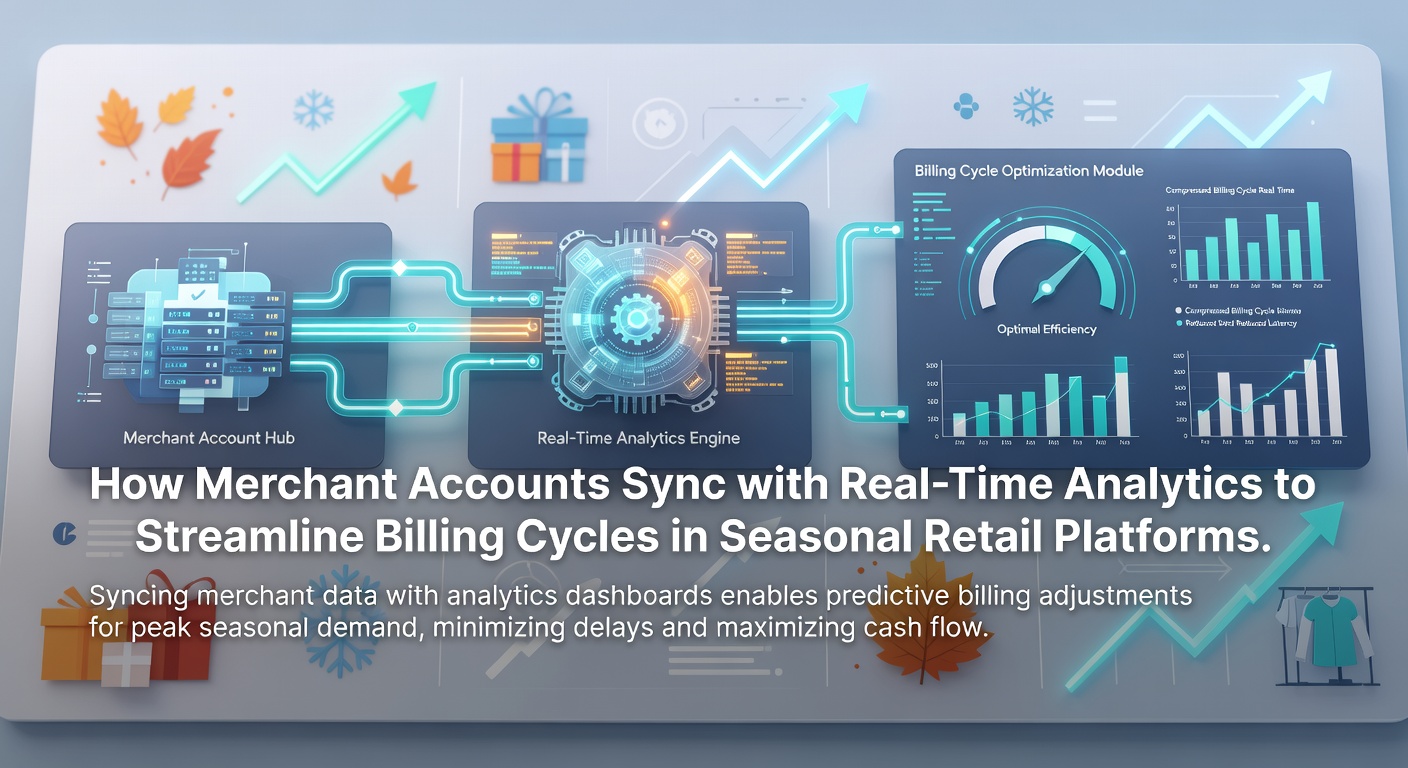
Seasonal retail platforms handle dramatic swings in transaction volume that standard merchant accounts often struggle to manage without built-in data synchronization. Merchant accounts connect directly to point-of-sale systems and inventory databases, pulling live transaction details into centralized dashboards that track everything from daily receipts to projected cash needs. This integration allows billing cycles to adjust automatically when demand spikes during peak months or drops during off-seasons, reducing the manual reconciliation work that previously stretched across weeks.
Real-time analytics engines monitor payment flows alongside stock levels and customer traffic patterns, then feed those metrics straight back into the merchant account portal. Retailers observe how incoming orders trigger immediate updates to accounts receivable ledgers, while declining sales automatically flag potential shortfalls in upcoming payment processing batches. The process runs through secure APIs that link payment processors with enterprise resource planning tools, creating a closed loop where every sale updates both financial records and operational forecasts simultaneously.
Core Synchronization Processes
Payment processors transmit authorization data within seconds of each transaction, and analytics platforms match that information against inventory depletion rates to forecast replenishment needs before stock runs low. Seasonal businesses such as winter sports equipment sellers or summer apparel outlets rely on this timing to align supplier invoices with actual revenue collection rather than estimated projections. Data streams from multiple channels, including online orders and in-store terminals, merge into unified reports that highlight discrepancies between expected and realized billing amounts within the same day.
API endpoints handle the heavy lifting by converting raw transaction logs into structured analytics models that account for regional tax variations and promotional adjustments common in seasonal promotions. When a sudden heatwave drives up air-conditioning unit sales in May 2026, for instance, the system recalibrates billing schedules to accelerate collections from high-volume distributors while extending terms for slower-moving categories. This dynamic adjustment prevents the cash flow gaps that once forced retailers to borrow against future seasons.
Impact on Billing Cycle Efficiency
Billing cycles shorten because automated matching eliminates the multi-day review periods that traditional month-end closes required. Merchant accounts now generate preliminary invoices the moment cumulative sales hit predefined thresholds, then refine those figures using live analytics on returns and chargebacks. Retailers note that platforms equipped with these tools complete full-cycle reconciliation in under 48 hours during peak periods, compared with the seven-to-ten-day timelines observed in non-integrated setups.
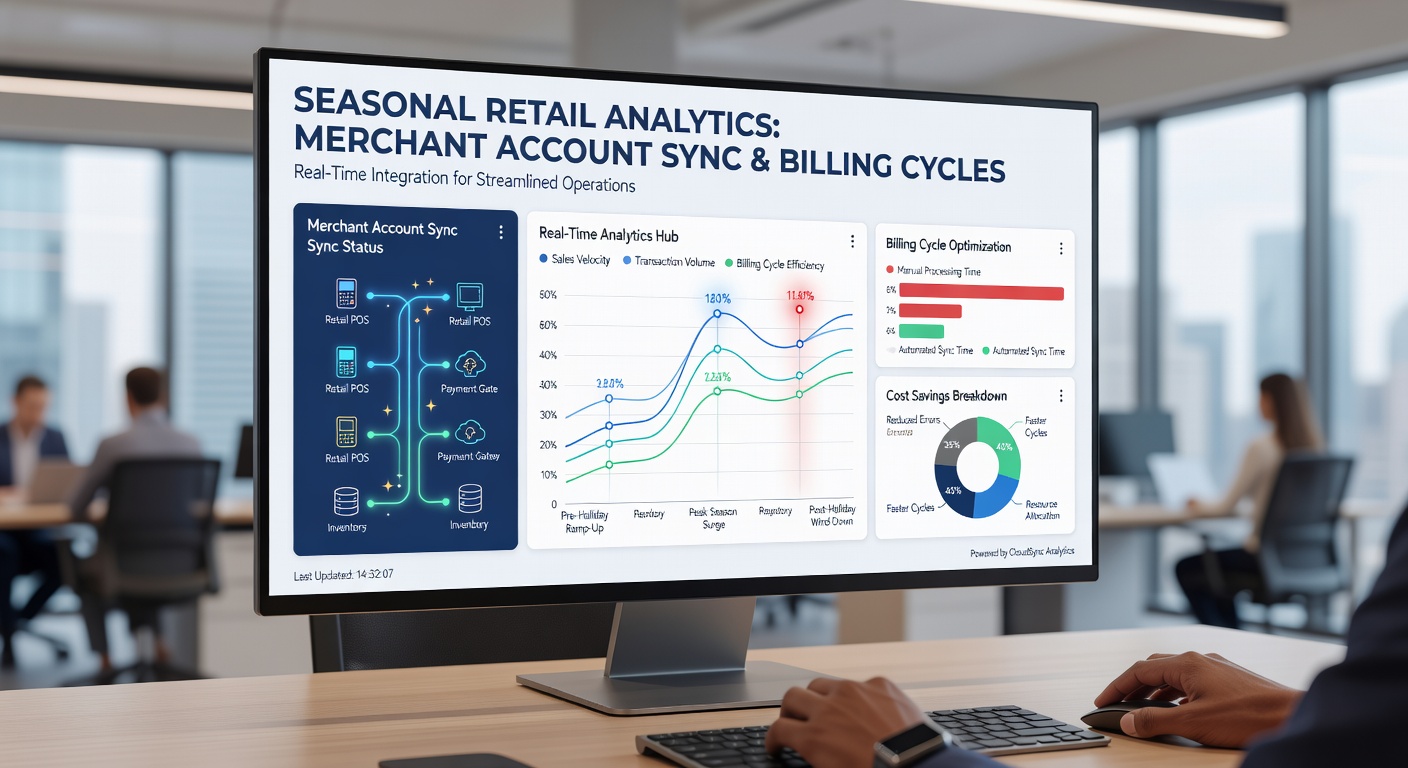
Forecasting modules incorporate historical seasonal patterns alongside current weather data and social media sentiment indicators to predict which product lines will dominate the next billing window. One regional outdoor retailer discovered that linking its merchant account to real-time foot-traffic sensors reduced over-ordering errors by aligning purchase orders directly with projected daily revenues. The result appears in smoother payment outflows that match incoming funds without requiring manual intervention from accounting teams.
Technical Integration Points
Secure data handshakes between merchant processors and analytics suites rely on encrypted token exchanges that preserve transaction integrity across cloud environments. Retail software vendors embed these connections into standard dashboards so operators can view both payment status and inventory valuation on a single screen. Updates propagate instantly when external factors such as shipping delays alter expected delivery dates and therefore affect when revenue recognition occurs in the billing cycle.
Industry reports from the National Retail Federation show that seasonal merchants adopting synchronized systems experience fewer disputes over invoice accuracy because every line item traces back to verified transaction timestamps. The same data sets also support compliance checks for varying state sales tax rules that change with each new season and jurisdiction. Retail platforms gain the ability to pause or accelerate billing runs based on real-time liquidity metrics rather than fixed calendar dates.
Practical Outcomes Observed Across Platforms
Operators running multi-location seasonal chains report that centralized analytics reduce the administrative burden of consolidating reports from separate merchant accounts at each site. Consolidated views reveal which locations contribute most to overall cash flow during specific weeks, allowing targeted adjustments to supplier payment terms. The approach proves especially useful for businesses that pivot product mixes between spring, summer, fall, and winter inventories, since billing parameters update without requiring separate configurations for each period.
According to figures published by the Australian Bureau of Statistics, retail sectors with strong seasonal components have increased adoption of integrated payment analytics at a steady rate since 2023, reflecting measurable reductions in days-sales-outstanding metrics. These improvements stem directly from the continuous data exchange that keeps merchant account ledgers aligned with operational realities rather than periodic snapshots.
Conclusion
Merchant account synchronization with real-time analytics creates a responsive framework that matches billing cycles to actual business rhythms in seasonal retail. The technical connections between payment data, inventory systems, and forecasting tools deliver consistent updates that minimize reconciliation delays and support precise cash management across fluctuating demand periods. Retail platforms that maintain these integrations continue to refine their processes as new data sources and regulatory requirements emerge, ensuring billing operations remain aligned with both revenue patterns and operational constraints.