Dispute Resolution Workflows and Their Integration with Accounting Ledgers in Crowdsourced Funding Ventures
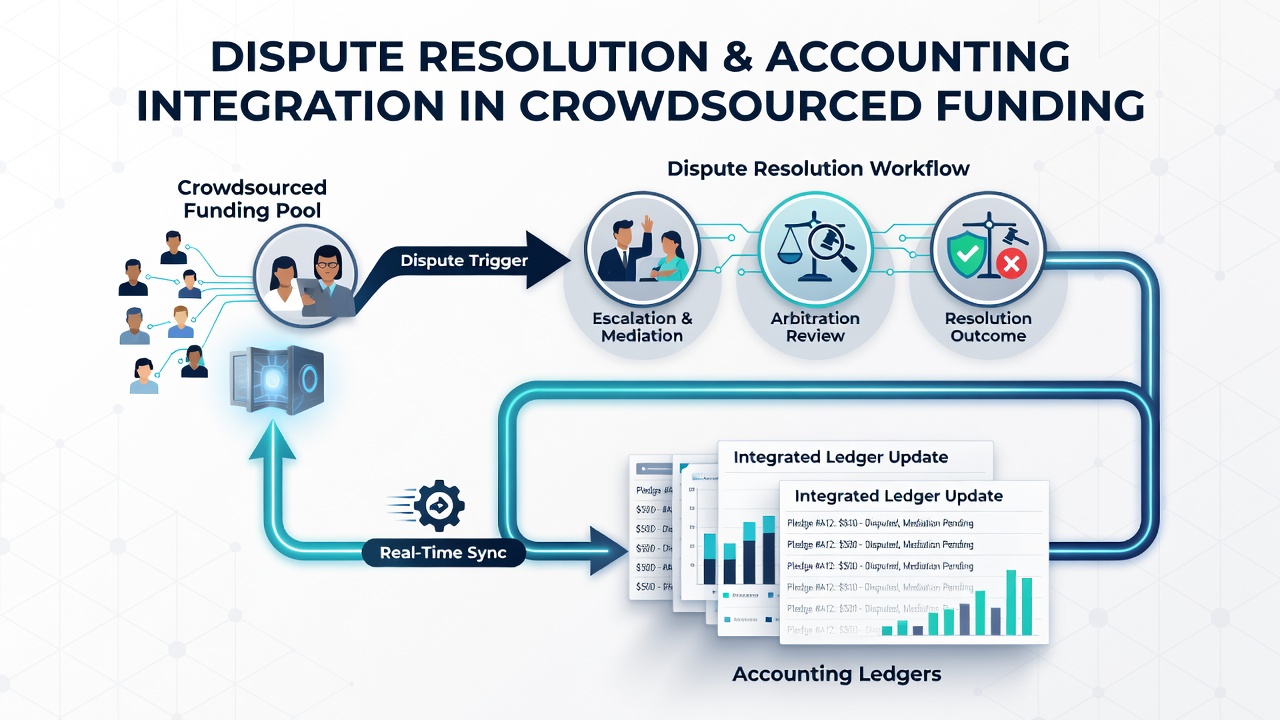
Dispute resolution workflows in crowdsourced funding platforms handle claims that arise when backers question project outcomes or payment accuracy, and these processes connect directly to accounting ledgers to maintain accurate financial records across campaigns. Platforms such as Kickstarter and GoFundMe process millions of transactions annually, where disputes often stem from delayed deliverables or unmet expectations rather than outright fraud, according to industry data from the Crowdfunding Professional Association.
Common Triggers for Disputes in Crowdfunding Campaigns
Backers initiate disputes through payment processors when creators fail to deliver promised rewards or when project timelines extend beyond communicated dates, which triggers automated review protocols on most platforms. Research from the University of Pennsylvania's Wharton School indicates that approximately 15 percent of equity crowdfunding campaigns encounter formal disputes within the first year after funding closes, often tied to communication breakdowns between project leads and supporters. These cases require platforms to review pledge details alongside creator updates before any funds move through reconciliation steps.
Standard Resolution Workflows on Major Platforms
Most crowdsourced funding sites follow a tiered workflow that begins with an initial claim submission, moves through evidence collection from both parties, and concludes with either a refund, partial settlement, or project continuation under revised terms. Payment processors like Stripe and PayPal integrate these steps by flagging transactions for review, which then feeds data into the platform's internal ledger system for tracking purposes. Observers note that this sequence reduces duplicate entries because each decision point updates both the dispute log and the corresponding revenue or liability accounts simultaneously.
Escalation occurs when initial mediation fails, at which point platforms may involve third-party arbitrators or regulatory bodies depending on the funding type and jurisdiction. Equity-based campaigns fall under additional oversight from securities regulators, whereas reward-based projects typically resolve through platform policies alone.
Ledger Integration Mechanics During Active Disputes
Accounting ledgers in these ventures record every pledge as revenue upon successful collection, yet dispute flags create temporary liability entries that adjust net campaign totals until resolution completes. Software systems employed by platforms automatically sync dispute status changes with general ledger accounts, ensuring that refund issuances debit the appropriate revenue categories without manual intervention. Data from the European Crowdfunding Network shows that automated sync reduces reconciliation errors by up to 40 percent compared with manual processes still used by smaller operators.
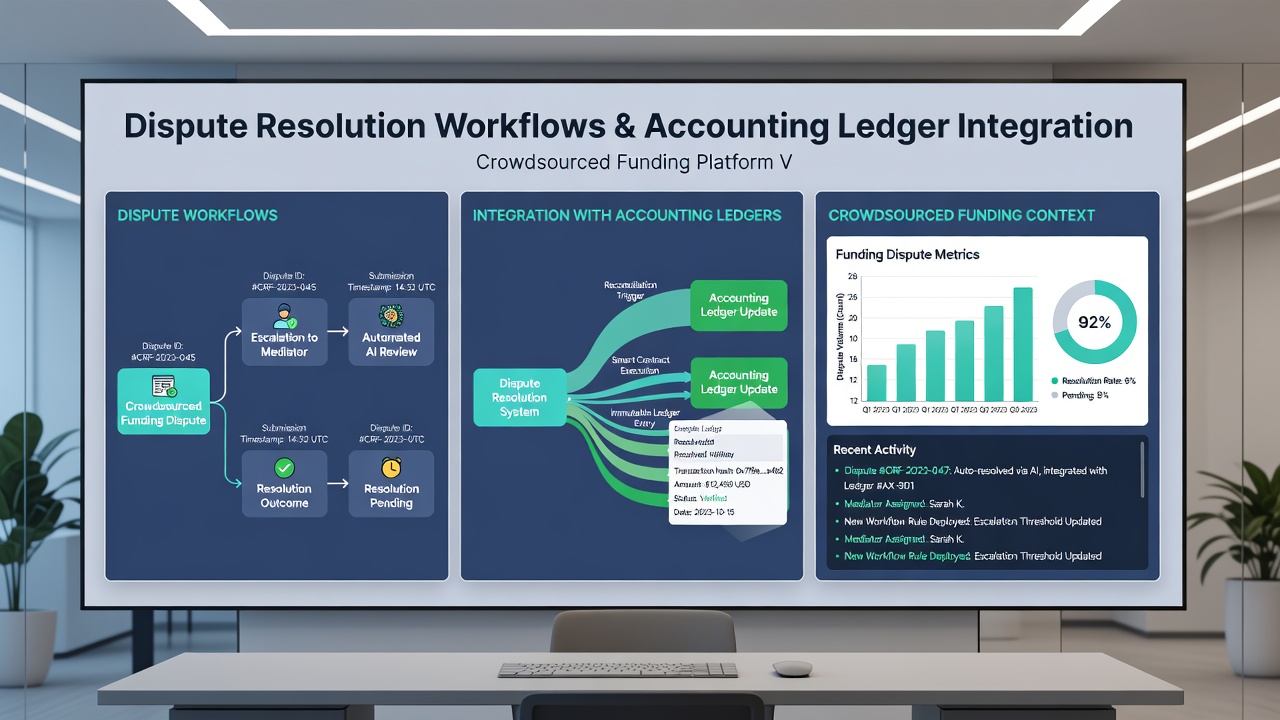
When a dispute reaches settlement, the ledger reflects the outcome through specific journal entries that distinguish between full refunds, partial adjustments, and retained platform fees. This separation matters for tax reporting because different jurisdictions treat these categories distinctly under rules set by bodies such as the Australian Taxation Office. Platforms maintain audit trails that link each dispute identifier directly to its corresponding ledger transaction, allowing finance teams to trace adjustments back to the original pledge records.
Regulatory and Compliance Considerations in June 2026
As of June 2026, updated guidance from the U.S. Securities and Exchange Commission requires clearer documentation of dispute outcomes in equity crowdfunding ledgers, which affects how platforms categorize funds held during ongoing reviews. Similar requirements appear in Canadian securities regulations that emphasize real-time ledger updates to prevent misreporting of campaign liabilities. These rules encourage platforms to embed compliance checks within their workflow software so that every resolution decision automatically generates the necessary regulatory reports.
Cross-border campaigns add complexity because currency fluctuations and differing consumer protection laws influence both dispute outcomes and ledger valuations. Platforms address this by maintaining multi-currency ledger segments that convert dispute amounts at the prevailing exchange rate on the resolution date.
Impact on Platform Operations and Backer Trust
Efficient ledger integration allows platforms to release funds to creators more quickly once disputes close, which in turn supports campaign momentum for subsequent projects. One study by researchers at the University of Melbourne found that platforms with tight workflow-to-ledger connections experienced 25 percent fewer repeat disputes from the same backer groups. This pattern emerges because transparent accounting reduces the perception that funds disappear during review periods.
Smaller ventures often partner with established payment aggregators to access these integrated systems rather than building custom solutions, which keeps operational costs manageable while meeting compliance standards across regions.
Conclusion
Dispute resolution workflows and their direct ties to accounting ledgers form a core operational layer in crowdsourced funding that ensures accurate fund handling and regulatory compliance. As platforms continue refining these connections through automated tools, the accuracy of financial records improves while backers receive clearer visibility into how their contributions are managed throughout any dispute process.