Cross-Border Checkout Hurdles: How Payment Gateways Tame Currency Swings and Local Regulations for E-Commerce Sellers
Cross-Border Checkout Hurdles: How Payment Gateways Tame Currency Swings and Local Regulations for E-Commerce Sellers
The Surge in Global Online Sales and Emerging Payment Barriers
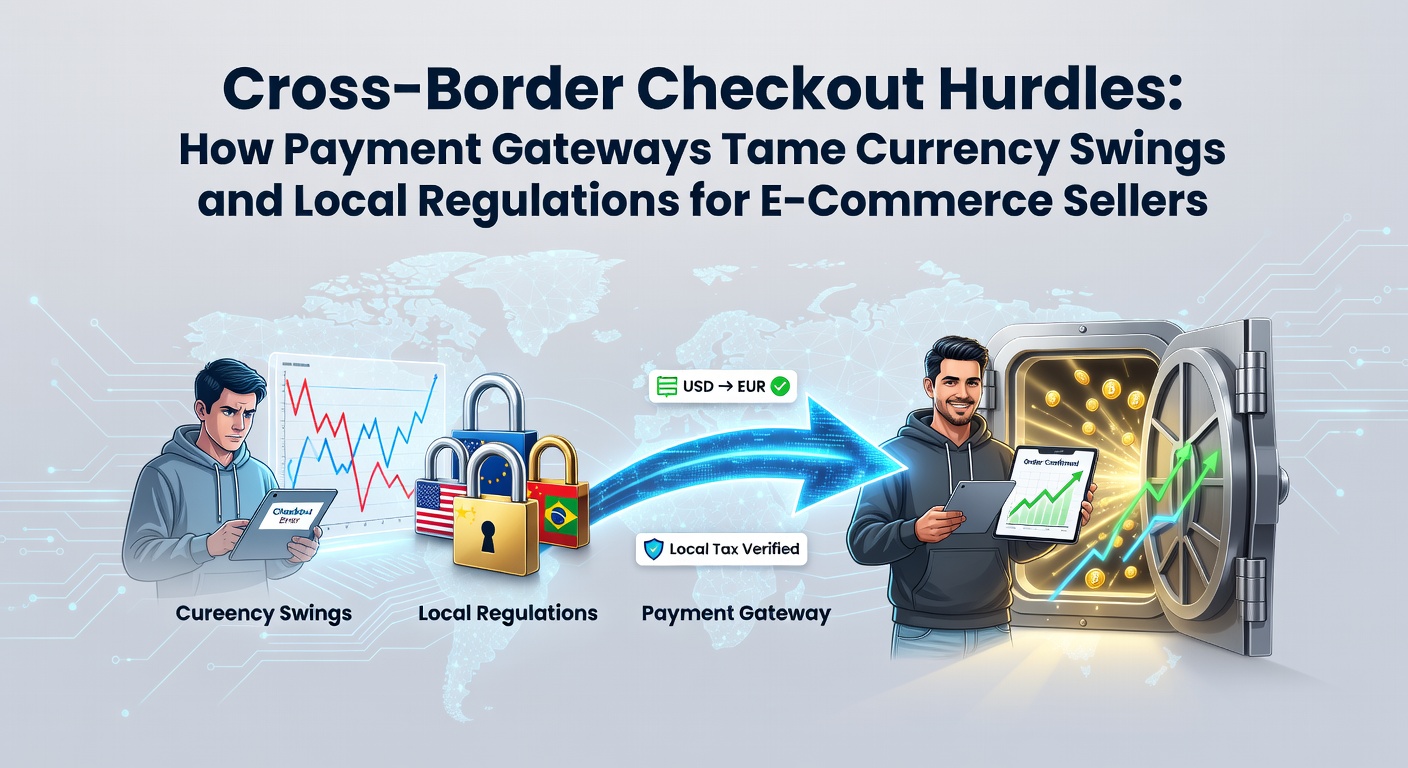
Online sellers expanding beyond domestic markets face a maze of challenges at checkout, where currency volatility clashes with a patchwork of local rules, yet payment gateways step in as the unsung heroes smoothing those rough edges. Data from recent industry reports reveals that cross-border e-commerce transactions hit $1.2 trillion in 2025, a figure projected to climb even higher by April 2026 amid rising demand for international goods, but sellers often grapple with abandoned carts spiking by 30% due to exchange rate surprises or compliance snags. Experts observe how these gateways deploy real-time tools to bridge the gaps, turning potential deal-breakers into seamless experiences for buyers worldwide.
Take a small U.S.-based apparel brand shipping to Europe; one moment the euro strengthens unexpectedly, inflating the dollar cost for customers, and the next, stringent data protection laws demand localized payment flows—gateways like Stripe or Adyen handle this by offering dynamic currency conversion at checkout, ensuring prices display in the buyer's native tender while locking in favorable rates for the seller.
Currency Swings: The Volatile Force Disrupting Global Carts
Currency fluctuations hit e-commerce hard, especially when markets react to geopolitical events or central bank moves, causing sellers to lose margins or buyers to balk at unexpected totals; figures from the European Central Bank show the euro-dollar pair swinging 15% in late 2025 alone, a volatility that payment processors counter with sophisticated hedging algorithms and multi-currency wallets. These systems pull live forex data from providers like Reuters, converting transactions instantly so a Canadian shopper sees CAD equivalents without the shock of post-checkout adjustments, while sellers settle in their preferred currency minus slim fees.
But here's the thing: not all gateways treat volatility the same; some integrate machine learning to predict swings based on historical patterns, advising sellers on optimal pricing windows, and in one case study from Asia-Pacific markets, a gateway's predictive tools helped a electronics retailer maintain 95% cart completion rates during a yen depreciation spike. Observers note that by April 2026, with AI enhancements rolling out across major platforms, such predictions become even sharper, factoring in real-time events like trade tariff announcements.
And while basic converters just swap rates, advanced ones offer "price locking" options where buyers commit to a displayed amount regardless of minute-by-minute changes, a feature that's cut refund requests by 25% according to processor benchmarks; sellers benefit too, as aggregated volumes allow gateways to negotiate bulk forex deals, passing savings back through lower interchange costs.
Local Regulations: Navigating a Web of Country-Specific Mandates
Each border brings its own regulatory thicket—from Brazil's Pix instant payment mandates to India's UPI dominance—yet payment gateways embed compliance layers that automate adherence, sparing sellers the headache of per-country legal teams. Research from Payments Canada highlights how North American sellers targeting Latin America must integrate local acquirers to meet central bank data localization rules, something gateways achieve via modular plugins that route transactions through approved regional networks without exposing merchants to fines.
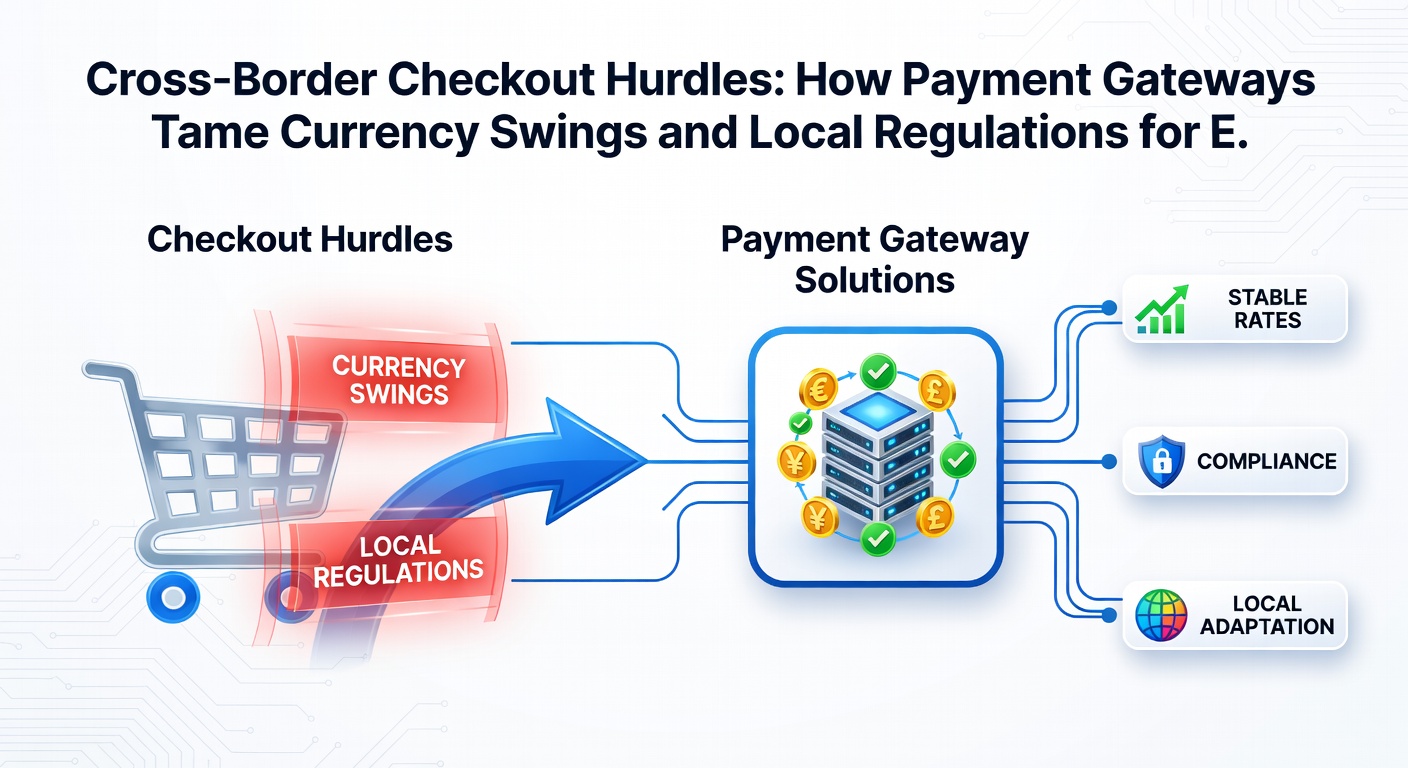
What's interesting is the EU's PSD3 framework, set for fuller enforcement by April 2026, which ramps up open banking requirements for stronger customer authentication; gateways respond by pre-configuring SCA (Strong Customer Authentication) flows, blending biometrics and device binding so a French buyer tapping "pay now" sails through without friction, even as regs tighten. Down under, Australia's New Payments Platform (NPP) demands real-time clears, and processors like Tyro adapt by linking NPP rails directly into checkout funnels, enabling Aussie sellers to accept seamless PayTo requests from international cards.
Those who've studied this landscape point out that non-compliance risks are steep—fines reaching millions in regions like Southeast Asia under new anti-money laundering directives—yet gateways' geo-fencing tech detects buyer location via IP or billing address, then auto-applies the right ruleset, from VAT calculations in the UK to GST remittance in India. One electronics exporter from Germany to Southeast Asia, for instance, used a gateway's reg engine to slash compliance audit times from weeks to hours, boosting expansion speed.
Real-World Tactics: Gateways in Action Across Regions
- In Latin America, gateways bundle Boleto and OXXO options alongside cards, complying with central bank preferences while converting BRL or MXN swings on the fly.
- Southeast Asian sellers leverage GCash or GrabPay integrations that handle rupiah volatility through pooled liquidity pools.
- African markets see gateways partnering with mobile money giants like M-Pesa, embedding KYC checks to meet reserve bank mandates.
Turns out, the real magic happens in hybrid setups where gateways layer on 3D Secure protocols universally, yet customize friction levels per jurisdiction—low for trusted Nordic markets, higher for high-risk zones—keeping fraud low without killing conversions.
Tech Innovations Taming the Chaos for Sellers
Payment gateways don't just react; they anticipate, rolling out APIs that let sellers dashboard-monitor currency exposures in real time, complete with alerts for threshold breaches, and by April 2026, blockchain-based settlements promise near-instant cross-border clears, slashing the days-long waits that once tied up cash flow. Data indicates these innovations have lifted average order values by 18% in volatile markets, as buyers trust locked-in pricing, while sellers dodge the "exchange regret" refunds.
Now consider tokenization's role here—not just for PCI, but extended to border scenarios where gateways issue virtual cards in local currencies, shielding against swings until settlement; experts who've tracked this see abandonment drops of 40% in high-volatility pairs like USD-TRY. And for regs, automated KYC vaults pre-verify buyers against global watchlists, flagging issues pre-checkout so compliant flows dominate.
Sellers often discover that multi-gateway orchestration tools—switching providers per region based on cost or rules—maximize this edge; a fashion brand routing EU traffic through Adyen for PSD3 ease and APAC via Airwallex for forex prowess exemplifies the strategy, yielding 22% margin gains per internal metrics.
Measuring the Impact: Stats That Tell the Story
Figures reveal the payoff: cross-border carts complete 28% more often with gateway-enabled dynamic pricing, per 2025 benchmarks, and compliance automation cuts operational costs by 35% for scaling merchants; in one survey of 500 sellers, 82% credited gateways for enabling 50%+ revenue growth from new markets. Yet challenges persist—latency in remote regions or gateway downtime—but redundancies like failover routing keep uptime at 99.99%.
It's noteworthy that smaller sellers gain most, as gateways democratize access to enterprise-grade tools without the overhead, turning solo operators into global players overnight.
Conclusion
Payment gateways stand as the linchpin for e-commerce sellers conquering cross-border hurdles, deftly managing currency tempests through live conversions and hedges while weaving through regulatory mazes with localized compliance engines. As volumes swell toward $2 trillion by late 2026, these platforms evolve with AI-driven forecasts and instant settlement rails, ensuring sellers not only survive but thrive in the global arena. Data underscores the transformation: higher completions, fatter margins, fewer headaches—proof that mastering these elements unlocks doors long bolted shut by distance and disparity.