Connecting Transaction Records to Forecasting Models for Seasonal Product Vendors Operating on Digital Marketplaces
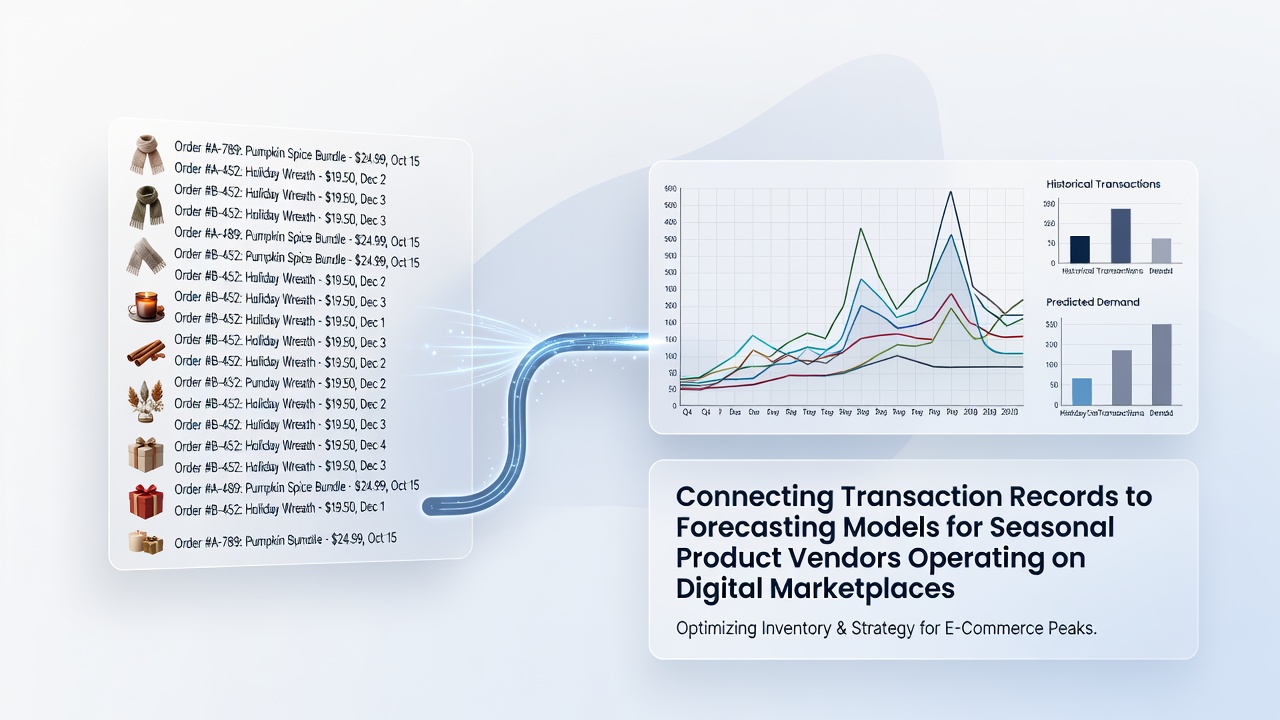 Seasonal product vendors on digital marketplaces rely on transaction records to build accurate forecasting models that align inventory purchases with expected demand peaks. These records capture payment timestamps, product categories, customer locations, and order values across platforms such as Amazon, Etsy, and Shopify stores. Analysts combine this data with external variables including weather patterns, holiday calendars, and economic indicators to project sales volumes months ahead. Platforms generate millions of transactions daily during peak periods, and vendors extract aggregated metrics from payment processors to train time-series models. Research from academic institutions shows that integrating real-time settlement data improves forecast accuracy by capturing shifts in buyer behavior earlier than traditional inventory reports alone allow.
Transaction Data Sources and Their Structure
Payment gateways record each sale with fields that include authorization dates, currency amounts, and merchant category codes. Seasonal vendors export these logs into data warehouses where algorithms identify recurring patterns such as back-to-school spikes in electronics accessories or winter holiday surges in apparel. July 2026 data releases from the U.S. Census Bureau indicated that e-commerce retail sales reached record levels during the preceding spring season, giving vendors additional benchmarks for model calibration.
Vendors often merge processor feeds with marketplace analytics dashboards to fill gaps in customer demographics. This merged dataset supports regression models that weigh historical transaction velocity against current promotional campaigns running on the same platforms. Observers note that clean data pipelines reduce latency between sale completion and model updates, allowing replenishment orders to reach suppliers before stockouts occur.Model Construction Techniques
Forecasting frameworks typically start with autoregressive integrated moving average structures that treat daily transaction counts as the primary input series. Machine learning extensions add layers that process categorical variables such as product color variants and shipping regions. Teams at seasonal vendors apply cross-validation against prior years' records to test how well models handle anomalies like sudden platform policy changes that affect checkout conversion rates.
External links connect these internal models to broader economic releases. One useful reference comes from Statistics Canada retail trade reports, which supply monthly e-commerce volume figures segmented by product type. Another source is the OECD digital economy outlook, whose quarterly indicators help calibrate models for vendors selling across multiple currency zones.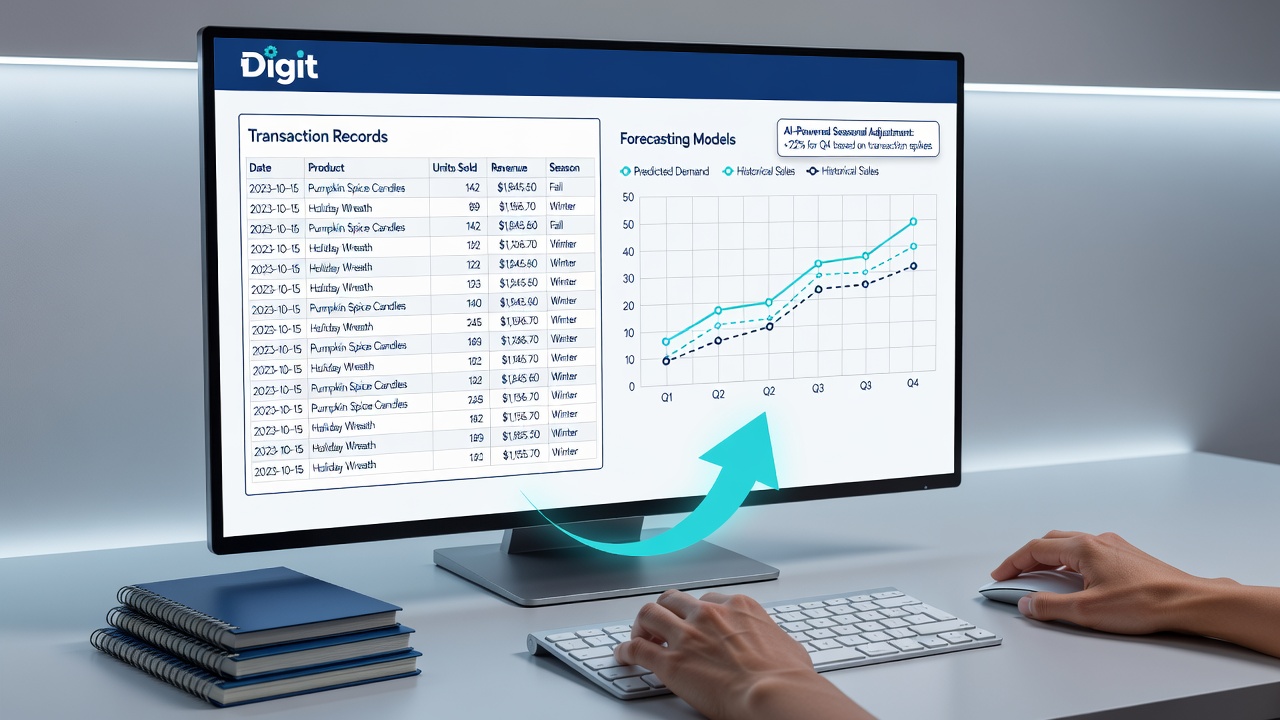
Integration Challenges and Platform Adaptations
Legacy accounting systems at smaller vendors frequently store transaction data in formats that resist direct import into modern forecasting software. Middleware solutions normalize these records by mapping processor-specific fields to standardized schemas used by demand-planning tools. Marketplace operators have introduced APIs that push settlement files nightly, shortening the gap between payment confirmation and forecast recalculation.
Vendors who operate on multiple marketplaces face additional reconciliation steps because each platform applies different fee structures that alter net revenue figures. Models adjust for these variances by weighting gross transaction values before applying margin calculations. Data indicates that platforms providing unified reporting reduce the manual cleanup required before feeding records into forecasting engines.Practical Applications for Inventory Decisions
Once models generate weekly or monthly projections, vendors translate outputs into purchase orders placed with manufacturers. A vendor specializing in outdoor gear might increase resin stock orders after transaction records show early summer demand acceleration across coastal shipping zones. Conversely, models that detect slower-than-expected post-holiday returns can trigger markdown campaigns before excess inventory accumulates in warehouses.
Seasonal operators also use these forecasts to negotiate better payment terms with processors. Higher projected volumes support requests for reduced per-transaction fees during known high-traffic windows. Processors review historical settlement patterns from the same vendor to approve such adjustments, creating a feedback loop where accurate forecasting improves cash-flow predictability.Conclusion
Transaction records now serve as the primary fuel for forecasting models that seasonal vendors on digital marketplaces depend upon for inventory alignment. Continued improvements in data standardization and API connectivity allow these models to incorporate fresher signals from payment flows. Vendors who maintain clean pipelines between processors and forecasting systems position themselves to match supply with demand across successive seasonal cycles without relying on guesswork.