Biometric Verification Protocols and Their Role in Accelerating Approval Workflows for Platform-Based Service Renewals

Platform-based service renewals depend on verification steps that confirm user identity before access continues, and biometric protocols have become central to shortening those steps across subscription models for software, cloud storage, and digital tools. These protocols rely on physiological traits such as fingerprints, facial geometry, and iris patterns to match stored templates, replacing repeated password entries or manual document uploads that once stretched approval times from minutes into hours.
Core Components of Biometric Protocols in Renewal Systems
Modern systems combine capture devices with matching algorithms that run on secure servers or edge processors, and researchers note that enrollment occurs once while subsequent renewals trigger quick scans that compare live data against encrypted templates. Standards developed by bodies like the National Institute of Standards and Technology outline performance metrics for false acceptance and rejection rates, guiding platform operators who integrate these tools into customer portals. Data from industry reports show that facial recognition systems often complete matches in under two seconds when lighting conditions remain consistent, whereas fingerprint readers achieve similar speeds on mobile devices equipped with capacitive sensors.
Platform operators embed these protocols into renewal dashboards so users encounter a scan prompt rather than lengthy forms, and integration with existing identity management layers allows the system to pull prior enrollment records without re-verification. Observers note that multi-factor combinations, such as a biometric check paired with a one-time code sent to a registered device, further reduce risk while maintaining workflow speed, and studies indicate error rates drop below 0.1 percent in controlled environments when algorithms receive regular updates.
Workflow Acceleration Through Reduced Friction Points
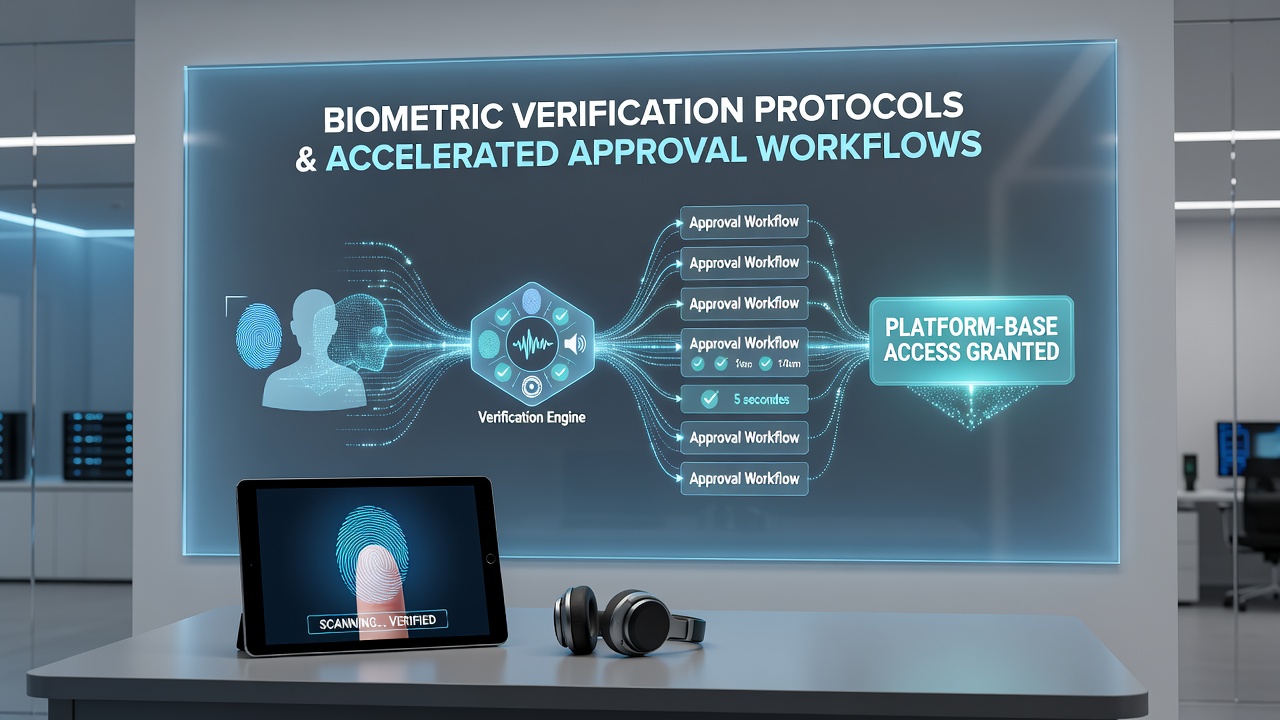
Traditional renewal approvals required users to log in, navigate multiple screens, and sometimes upload identification documents that staff reviewed manually, yet biometric protocols collapse several of those stages into a single scan. Platform logs reveal that average session duration for renewals falls by 60 to 70 percent once facial or fingerprint checks replace document uploads, according to aggregated usage statistics shared by service providers. The process begins when the system detects an approaching renewal date, sends a notification, and then presents the biometric prompt directly within the app or browser session.
Those who manage large user bases report that automated matching frees support teams from routine identity checks, allowing staff to focus on edge cases that still require human review. In June 2026, several major platforms rolled out updated biometric libraries that handle varied skin tones and aging-related facial changes more accurately, resulting in fewer failed attempts and smoother renewal sequences across global user groups. Real-time feedback loops within the software adjust lighting guidance on the user screen, further cutting retry rates during the verification window.
Security Considerations and Compliance Requirements
Biometric data remains sensitive because templates cannot be changed like passwords if compromised, so platforms store them in isolated vaults with access restricted to verification modules only. Regulatory frameworks in regions such as the European Union require explicit consent and data minimization practices, prompting developers to process matches on-device whenever possible before transmitting results. Research from academic teams at institutions including the University of Waterloo has examined template protection techniques that apply irreversible transformations, ensuring that even if a database is breached the original biometric cannot be reconstructed.
Platform operators also implement liveness detection methods that distinguish between a live user and a photograph or mask, and these checks add milliseconds to the process without disrupting overall speed gains. Figures from compliance audits indicate that services adopting such layered biometric protocols meet audit benchmarks faster than those relying solely on knowledge-based authentication, since audit trails capture the timestamp and match score automatically.
Implementation Patterns Across Different Platform Types
Enterprise software platforms often tie biometric renewal checks to single sign-on systems, allowing employees to renew access rights with a quick scan at their workstation or mobile device. Consumer-facing services such as streaming or productivity tool subscriptions embed the same checks at the payment confirmation stage, linking identity confirmation directly to billing cycles. Case examples shared in technical conferences describe how one cloud service provider reduced renewal abandonment rates after switching from email-based confirmations to in-app biometric prompts that users complete in seconds.
Integration teams typically test protocols against diverse device ecosystems to confirm compatibility with both recent smartphones and older tablets still in circulation, and they adjust matching thresholds accordingly. Those managing seasonal or project-based subscriptions find that biometric renewal flows accommodate irregular usage patterns without forcing users through repeated full re-enrollments.
Conclusion
Biometric verification protocols continue to reshape renewal workflows by replacing slower manual steps with rapid physiological matches that maintain security standards. Platform operators who adopt these methods report measurable reductions in processing time and support workload, while users experience fewer interruptions when extending service access. Ongoing refinements in algorithm accuracy and regulatory alignment support broader deployment across subscription ecosystems as adoption scales through 2026 and beyond.